


Complete Guide to Proteins
🧬 Protein: A Comprehensive Scientific Guide to Types, Functions, Sources, Benefits, and Usage in Bodybuilding and Health
✅ Protein is one of the most essential macronutrients and the foundation of the human body’s structure. This vital compound plays a key role in muscle growth, repair, and maintenance, as well as in enzyme and hormone function. Adequate protein intake is crucial, especially for athletes and those aiming to build muscle or reduce fat. In this comprehensive guide from Pelank, you’ll explore every scientific aspect of protein—from its types and food sources to supplements, dosage, benefits, and common myths.
The Role of Protein in the Body
Pelank Supplement ©
✅ Introduction and Overview
✔️ Protein is one of the three main macronutrients in the body, composed of chains of amino acids, and plays a role in nearly every vital process—from building muscle and repairing tissues to regulating enzymes, hormones, and the immune system.
✔️ Dietary protein refers to protein obtained from natural sources such as meat, eggs, dairy products, legumes, and nuts.
✔️ In contrast, supplemental protein (such as whey or casein powder) is designed for individuals who struggle to meet their daily protein needs through food alone or require faster and more efficient absorption.
✔️ Adequate protein intake is essential for muscle growth, tissue repair, post-workout recovery, and even for maintaining muscle mass during weight-loss diets. Protein deficiency can lead to weakness, reduced performance, and slower metabolism.
✔️ Daily protein requirements vary depending on body weight, activity level, and fitness goals (muscle gain, fat loss, or maintenance).
✔️ You can calculate your exact protein needs using the Pelank Protein Calculator.
Structure and Function of Protein in the Body
✅ Protein is at the heart of every living cell’s vital function—a dynamic molecule that forms not only muscles but also enzymes, hormones, cell receptors, and even parts of the immune system. In fact, if fats are the body’s energy reserve and carbohydrates its immediate fuel, then protein is the true “architect” of the body—the substance that builds, repairs, and sustains the living structure.
✅ Building Blocks: Amino Acids
🔷 Proteins are made up of chains whose basic units are amino acids. Each amino acid consists of an amino group (NH₂), a carboxyl group (COOH), and a side chain (R) that defines its identity and function. This small variation in the side chain results in more than 20 types of amino acids, each with distinct physiological behaviors.
✔️ When protein is consumed through food or supplements, it is broken down in the stomach and intestines by enzymes such as pepsin and trypsin into free amino acids and short peptides. These compounds are then absorbed through the intestinal wall into the bloodstream and transported to tissues—especially muscles—where they enter the stages of repair and synthesis.

✅ Functional Classification of Amino Acids
1️⃣ Essential Amino Acids:
🔶 The body cannot synthesize these amino acids, so they must be obtained through food or supplements. They include:
Leucine, Isoleucine, Valine, Methionine, Phenylalanine, Threonine, Tryptophan, and Histidine.
🔹 The first three (Leucine, Isoleucine, and Valine) are known as BCAAs and play a key role in muscle growth and recovery.
Leucine, in particular, is known as the “anabolic switch” because it activates the mTOR pathway—the same pathway that signals muscle protein synthesis.
2️⃣ Non-Essential Amino Acids:
🔶 These include alanine, aspartate, glutamine, and glycine, which the body can synthesize from other compounds. Despite being “non-essential,” they are still vital, as they help maintain blood pH, transport nitrogen, and support cellular energy metabolism.
3️⃣ Conditional Amino Acids:
🔶 Under certain conditions such as intense stress, illness, or heavy training, some amino acids (like glutamine or arginine) become “conditionally essential,” meaning the body’s demand exceeds its ability to produce them.
✅ Protein Synthesis and Breakdown in Muscle
MPS vs MPB
♾️ The body constantly oscillates between two opposing processes:
1️⃣ MPS (Muscle Protein Synthesis): The creation of new muscle proteins.
2️⃣ MPB (Muscle Protein Breakdown): The breakdown of old or damaged muscle proteins.
🔸 When MPS > MPB, the body is in an anabolic phase → muscles grow.
🔸 When MPB > MPS, the body enters a catabolic phase → muscle mass decreases.
✔️ Resistance training (such as weightlifting) and sufficient intake of high-quality protein—especially rich in leucine—strongly stimulate MPS. That’s why a post-workout protein meal has the greatest impact on muscle growth.
💠 From a physiological perspective, muscle protein synthesis depends on several key factors:
1️⃣ Availability of essential amino acids
2️⃣ Activation of the mTORC1 pathway
3️⃣ Adequate energy (ATP and creatine phosphate)
4️⃣ Presence of anabolic hormones such as testosterone and IGF-1
✅ The Protein Cycle in the Body
🟢 Digestion:
✔️ Dietary proteins are broken down in the stomach and intestines into peptides and then into free amino acids.
🟢 Absorption:
✔️ Amino acids pass through the intestinal wall into the bloodstream and are transported via the portal system to the liver. Some are used there, while others are delivered to muscles and other tissues.
🟢 Synthesis:
✔️ The body uses amino acids to rebuild and produce structural, enzymatic, hormonal, and immune proteins.
🟢 Degradation:
✔️ Worn-out proteins are broken down, and the released nitrogen is converted into urea, which is then excreted through the kidneys.
This cycle repeats daily in the body—so much so that even in non-athletes, more than 250 grams of protein are broken down and rebuilt each day.
✅ Conclusion
🔰 Protein is not merely a “muscle-building supplement” — it is the body’s system of repair and regeneration. Every gram carries the biological and structural information that sustains life.
A proper understanding of MPS (Muscle Protein Synthesis) and nitrogen balance forms the foundation of all professional sports nutrition programs. Without protein balance, no amount of calories, training, or other supplements can maximize the body’s performance.
Protein Sources in Nutrition
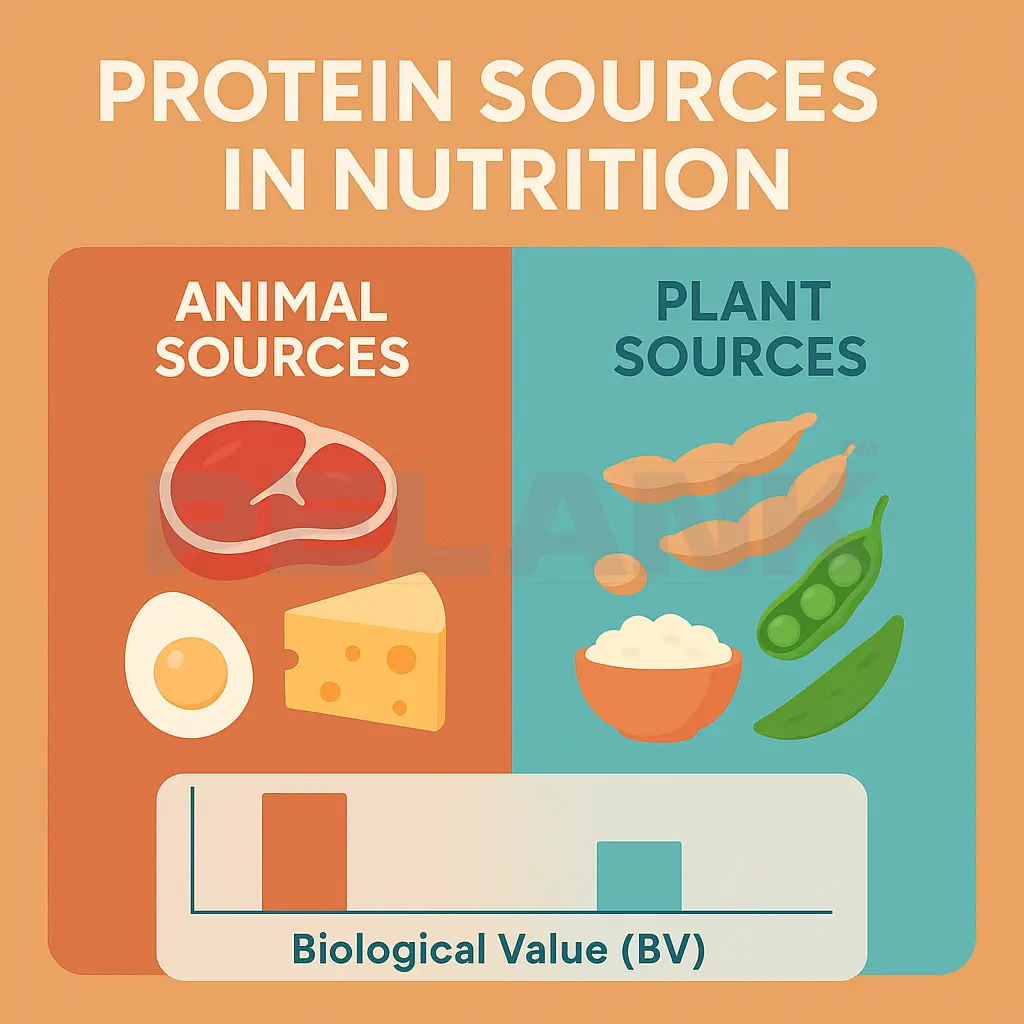
✅ Protein comes from a wide variety of natural sources, and its quality, absorption rate, and biological value depend on where it originates. Understanding the differences between animal and plant proteins is essential for making smart dietary choices—especially for athletes and individuals with specific goals such as muscle gain or fat loss.
🥩 Animal Sources
🟢 Animal proteins are the most complete form of dietary protein, as they contain all nine essential amino acids in optimal ratios.
✔️ Their main characteristics are high absorption and high biological value (BV).
✅ Primary sources:
🐄 Red meat (beef, lamb)
🦃 Poultry (chicken, turkey)
🐠 Fish and shrimp
🍳 Eggs
🥛 Dairy products (milk, yogurt, cheese, whey, and casein proteins)
🔹 Advantage: Complete amino acid profile and excellent absorption rate
🔹 Note: Moderate consumption is recommended to manage saturated fat and cholesterol intake.
🌱 Plant Sources
🟢 Plant-based proteins are generally less complete, meaning they may lack one or more essential amino acids. However, combining different sources can compensate for this deficiency (for example, rice + chickpeas or lentils + whole grains).
✅ Main sources:
🫛 Legumes (lentils, chickpeas, beans)
🥣 Soy and soy products (tofu, tempeh)
🌾 Whole grains (oats, quinoa, brown rice)
🥜 Nuts and seeds (almonds, flaxseed, chia, sesame)
🔹 Advantage: Cholesterol-free, rich in fiber and antioxidants
🔹 Note: Absorption is generally lower than animal proteins, but this can be fully compensated for in vegan and vegetarian diets.
✅ Comparison of Biological Value and Absorption Efficiency
Biological Value
Protein Source | Type | BV (Biological Value) | PDCAAS (Protein Digestibility-Corrected Amino Acid Score) | Short Description |
|---|---|---|---|---|
Whey Protein | Animal-based | 104 | 1.00 | The fastest-absorbing known protein |
Whole egg | Animal-based | 100 | 1.00 | The standard benchmark for protein quality |
Casein | Animal-based | 77 | 1.00 | Slow-digesting, ideal for nighttime use |
Red meat | Animal-based | 80 | 0.92 | Complete protein, high in iron |
Soy Protein | Plant-based | 74 | 1.00 | The best plant-based option in terms of quality |
Pea Protein | Plant-based | 70 | 0.82 | Lactose-free, suitable for those with allergies |
Rice Protein | Plant-based | 59 | 0.47 | Low in methionine, best when combined with pea protein |
Lentils | Plant-based | 50 | 0.52 | High in fiber, moderate absorption |
🔍 Summary
1️⃣ If your goal is rapid muscle growth and recovery → animal-based proteins (especially whey and eggs) are the top priority.
2️⃣ If your goal is overall health, weight control, or following a plant-based diet → combining diverse plant protein sources intelligently is the best approach.
3️⃣ Protein quality doesn’t depend solely on its source; variety, combination, and timing of intake also play crucial roles.
Supplemental Proteins
Protein Supplements Overview
✅ Protein supplements are among the most widely used and scientifically proven tools in sports nutrition. Contrary to popular belief, these supplements are not meal replacements; rather, they serve as precise tools to control the amount, quality, and timing of protein intake—especially when a regular diet cannot fully meet the body’s demands (such as during bulking phases, strict diets, or time constraints).
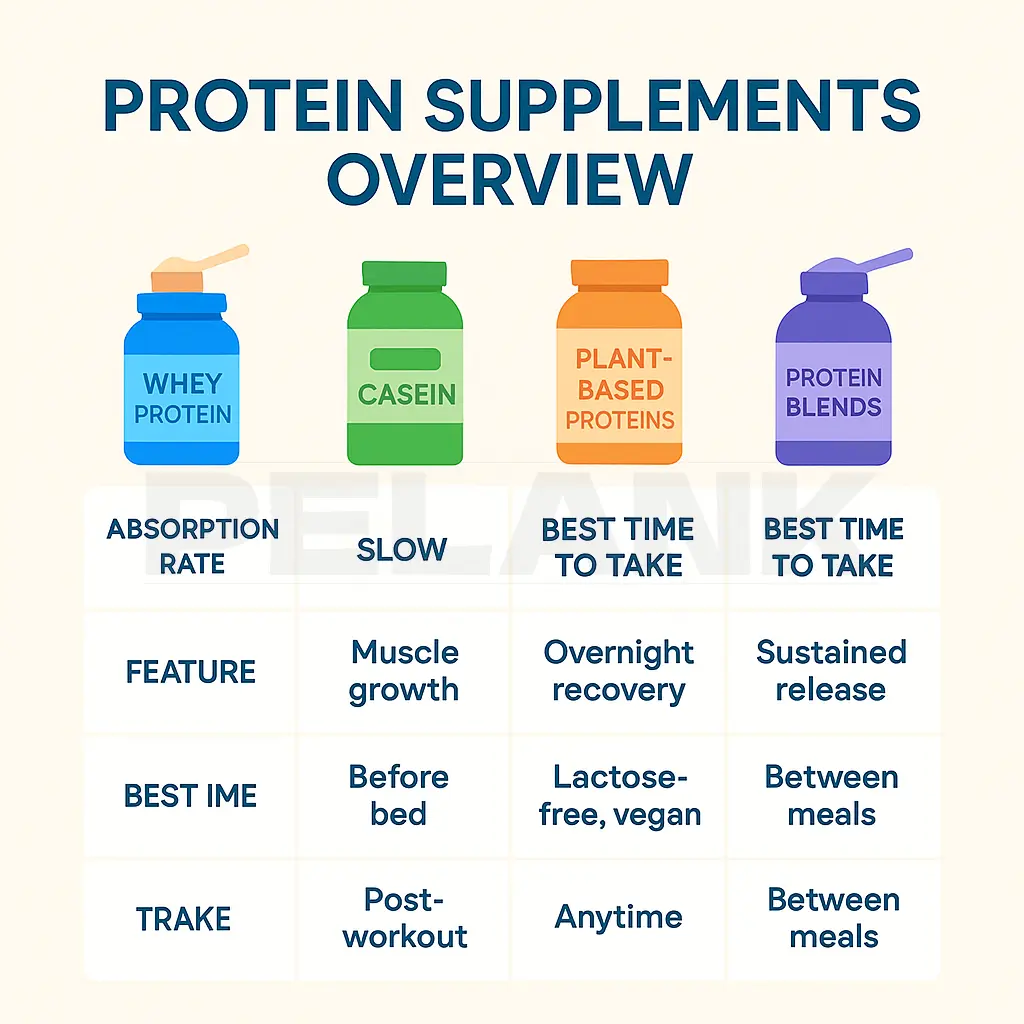
Protein supplements are categorized based on their source (dairy or plant-based) and absorption speed. Below are the most important types 👇
✅ Whey Protein
👑 The king of proteins and the most well-known sports supplement in the world.
🟢 Whey protein is derived from the liquid byproduct of cheese production. Due to its exceptionally fast absorption rate and complete amino acid profile—especially its high leucine content—it’s one of the most effective options for stimulating muscle protein synthesis.
✅ Benefits:
1️⃣ Rapid increase in muscle protein synthesis (MPS)
2️⃣ Improved post-workout recovery
3️⃣ Fast absorption and easy digestion
4️⃣ Supports immune function and aids fat loss
⏱️ Best times to take:
✔️ Immediately after training
✔️ In the morning upon waking (to stop overnight catabolism)
✅ Casein Protein
🟢 Casein makes up about 80% of the protein in milk and is unique for its slow and sustained absorption. This is why it’s often called the “nighttime protein,” as it provides a steady release of amino acids into the bloodstream for several hours.
✅ Benefits:
1️⃣ Provides continuous muscle nourishment during sleep or throughout the day
2️⃣ Reduces muscle protein breakdown (MPB) during dieting phases
3️⃣ Promotes a longer-lasting feeling of fullness
⏱️ Best times to take:
✔️ Before bedtime
✔️ During long gaps between meals
✅ Plant Based Proteins
🟢 This group includes sources such as soy, pea, rice, quinoa, and hemp. Contrary to popular belief, modern plant-based protein formulations can provide nearly the same quality as animal proteins. They’re lactose-free, cholesterol-free, and fully compatible with vegan diets.
✅ Benefits:
1️⃣ Suitable for vegans and those with lactose intolerance
2️⃣ Easier to digest and less inflammatory
3️⃣ Contains fiber, vitamins, and antioxidants
4️⃣ Supports heart and digestive health
💠 Note:
To achieve a complete amino acid profile, multiple sources are often combined in the formula (e.g., soy + pea + rice).
✅ Protein Blends
🟢 These supplements are designed for multi-phase absorption, combining fast proteins (like whey), medium-speed proteins (such as egg or pea), and slow-digesting proteins (like casein or rice).
💠 The result?
✔️ A steady, sustained flow of amino acids over several hours—without energy crashes or heavy digestion.
✅ Benefits:
1️⃣ Ideal for use between meals or as a complete meal replacement
2️⃣ Multi-source blend with a full amino acid profile
3️⃣ Longer-lasting effect on nitrogen balance and muscle growth
⏱️ Best times to take:
✔️ Between main meals
✔️ During bulking or muscle maintenance phases
🧠 Summary
Protein Type | Absorption Speed | Key Feature | Best Time to Take | Suitable For |
|---|---|---|---|---|
Whey | Fast | Rapid muscle growth | After workout | All athletes |
Casein | Slow | Nighttime recovery | Before sleep | People on a diet or training at night |
Plant Based | Moderate | Lactose-free, vegan | Anytime | Vegans, lactose-intolerant individuals |
Blend | Multi-phase | Gradual absorption | Between meals | Bulking or muscle maintenance |
Comparison of Protein Powder Types
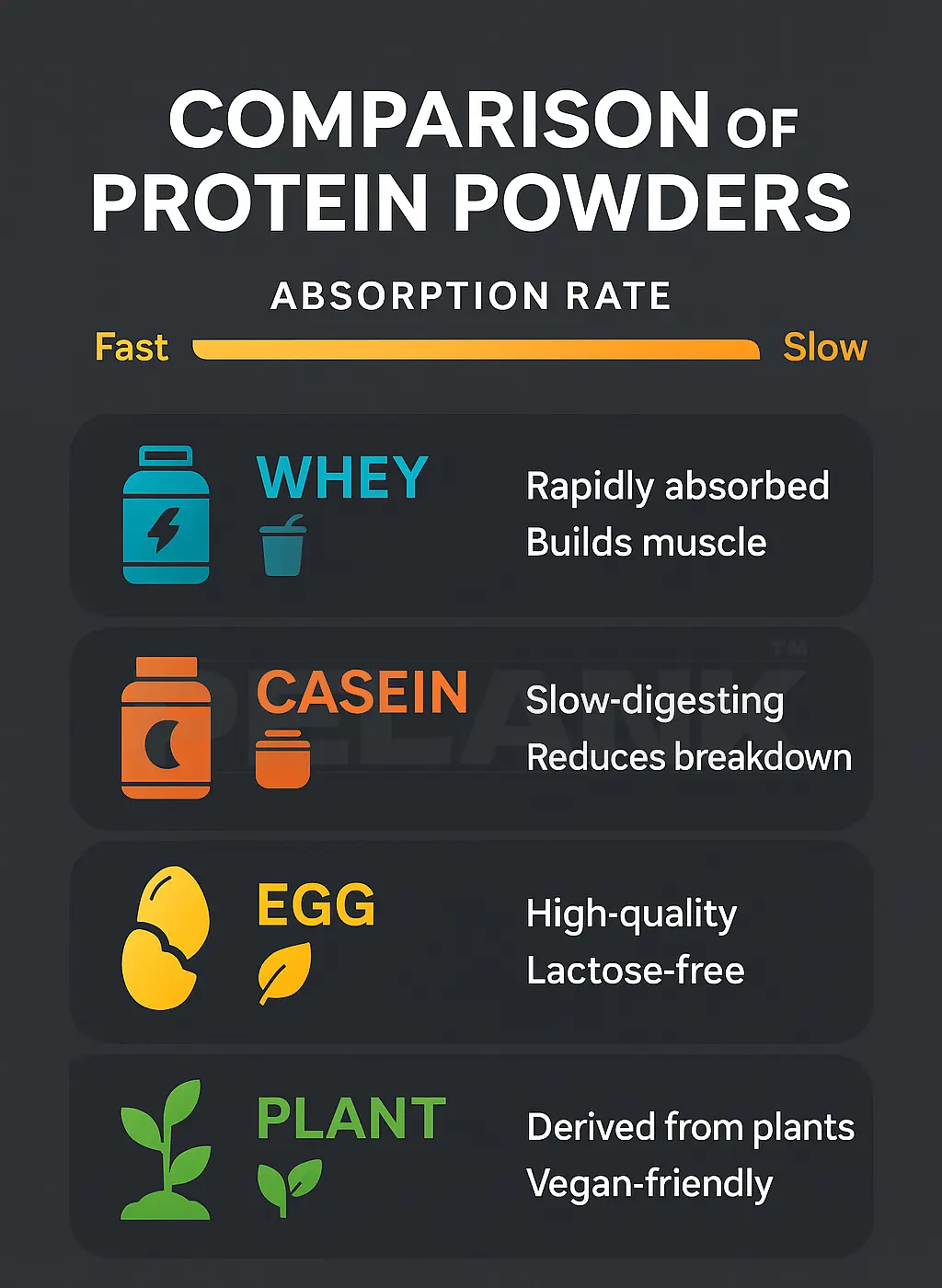
✅ Each type of protein powder has distinct characteristics, absorption rates, and purposes. Choosing the right one depends directly on timing, training goals, digestive tolerance, and personal dietary preferences.
Below is a comprehensive comparison of the most commonly used protein types to help you make an informed and precise choice 👇
✅ Comparison Criteria
🟢 Proteins are generally evaluated based on several key factors:
1️⃣ Absorption Rate:
✔️ The time it takes for the body to digest the protein and absorb amino acids.
2️⃣ Biological Value (BV):
✔️ The body’s ability to utilize the protein for building new tissue.
3️⃣ PDCAAS (Protein Digestibility-Corrected Amino Acid Score):
✔️ A scientific index indicating the completeness of amino acids and the protein’s digestibility.
4️⃣ Protein Content per Serving:
✔️ Indicates the product’s density and overall quality.
5️⃣ Digestibility and Gastrointestinal Tolerance:
✔️ Especially important for individuals with lactose sensitivity.
✅ Comprehensive Comparison Table of Protein Powder Types
Protein Type | Source | Absorption Speed | BV | PDCAAS | Protein per Serving | Key Feature | Best Time to Take | Suitable For |
|---|---|---|---|---|---|---|---|---|
Whey Isolate | Dairy (Whey Isolate) | Very fast | 104 | 1.00 | 24–27g | High purity, low lactose | After workout | Muscle growth, fat-loss phases |
Whey Concentrate | Dairy (Whey Concentrate) | Fast | 104 | 1.00 | 20–24g | More natural flavor, more affordable | After workout | General athletes |
Whey Hydrolysate | Dairy (Hydrolyzed Whey) | Very fast | 104 | 1.00 | 24–25g | Instant absorption, hypoallergenic | Post-workout or morning | Professional bodybuilders, people with sensitivities |
Casein | Dairy | Slow | 77 | 1.00 | 23–25g | Long absorption, ideal for nighttime | Before sleep | Muscle preservation, low-calorie diets |
Egg Protein | Egg | Medium | 100 | 1.00 | 21–23g | Lactose-free, complete amino acid profile | Anytime | Allergic individuals, special diets |
Soy Protein | Plant-Based (Soy) | Medium | 74 | 1.00 | 20–22g | Best vegan option | Anytime | Vegetarians, women |
Pea Protein | Plant-Based (Pea) | Medium | 70 | 0.82 | 20–24g | Gluten- and lactose-free | Anytime | Sensitive individuals, vegetarians |
Rice Protein | Plant-Based (Rice) | Medium–slow | 59 | 0.47 | 18–21g | Light, hypoallergenic | Combined use | Best paired with pea protein for a complete profile |
Protein Blends | Blend | Multi-phase | 80+ | 1.00 | 22–25g | Sustained absorption for 4–6 hours | Between meals | Bulking and muscle maintenance |
✅ Expert Analysis
🔶 Whey: The best option for rapidly stimulating MPS (muscle protein synthesis).
🔶 Casein: Prevents muscle breakdown during sleep; an excellent complement to whey.
🔶 Egg: Amino acid profile close to whey but lactose-free.
🔶 Plant-Based: A healthy choice, ideal for vegans or those with digestive issues.
🔶 Blends: A smart solution for continuous amino acid delivery throughout the day.
✅ Recommended Choice Based on Goal
Goal | Recommended Protein Type | Timing | Key Note |
|---|---|---|---|
Muscle Gain | Whey Isolate / Blend | Post-workout & Morning | Combine with creatine for synergistic effect |
Fat Loss & Muscle Retention | Casein / Whey Isolate | Night & Post-workout | Promotes satiety and prevents catabolism |
Vegan or Lactose Intolerance | Soy / Pea / Rice | Anytime | Combine multiple sources for complete amino profile |
Recovery & Daily Energy | Whey Concentrate / Blend | Between meals | Provides steady amino acid and energy supply |
🧠 Summary
✔️ In the end, there is no single “best” protein powder — the best choice is the one that matches your body’s needs, training goals, and lifestyle.
✔️ A professional athlete may combine multiple types: for example, whey post-workout, casein before bed, and a blend between meals.
Benefits and advantages of consuming protein supplements
✅ Protein supplements are not just “muscle-building powders”; they are a scientific tool for rewriting the body’s metabolism. Each precise serving can transform the body’s equation of energy, satiety, and recovery. In this section, we take a deep, evidence-based look at the real benefits of protein—beyond marketing, rooted in pure biology. 👇
✅ Increases muscle mass and strength
🟢 Protein supplements—especially whey isolate and hydrolyzed whey—are the most powerful known stimulators of MPS (Muscle Protein Synthesis).
✔️ Every time you consume them post-workout, the leucine they contain activates the mTOR pathway—the molecular signal that tells cells to build new muscle fibers.
✔️ In dozens of studies, consuming 20 to 40 grams of whey after training has been shown to accelerate muscle growth up to three times faster compared to diets without supplementation.
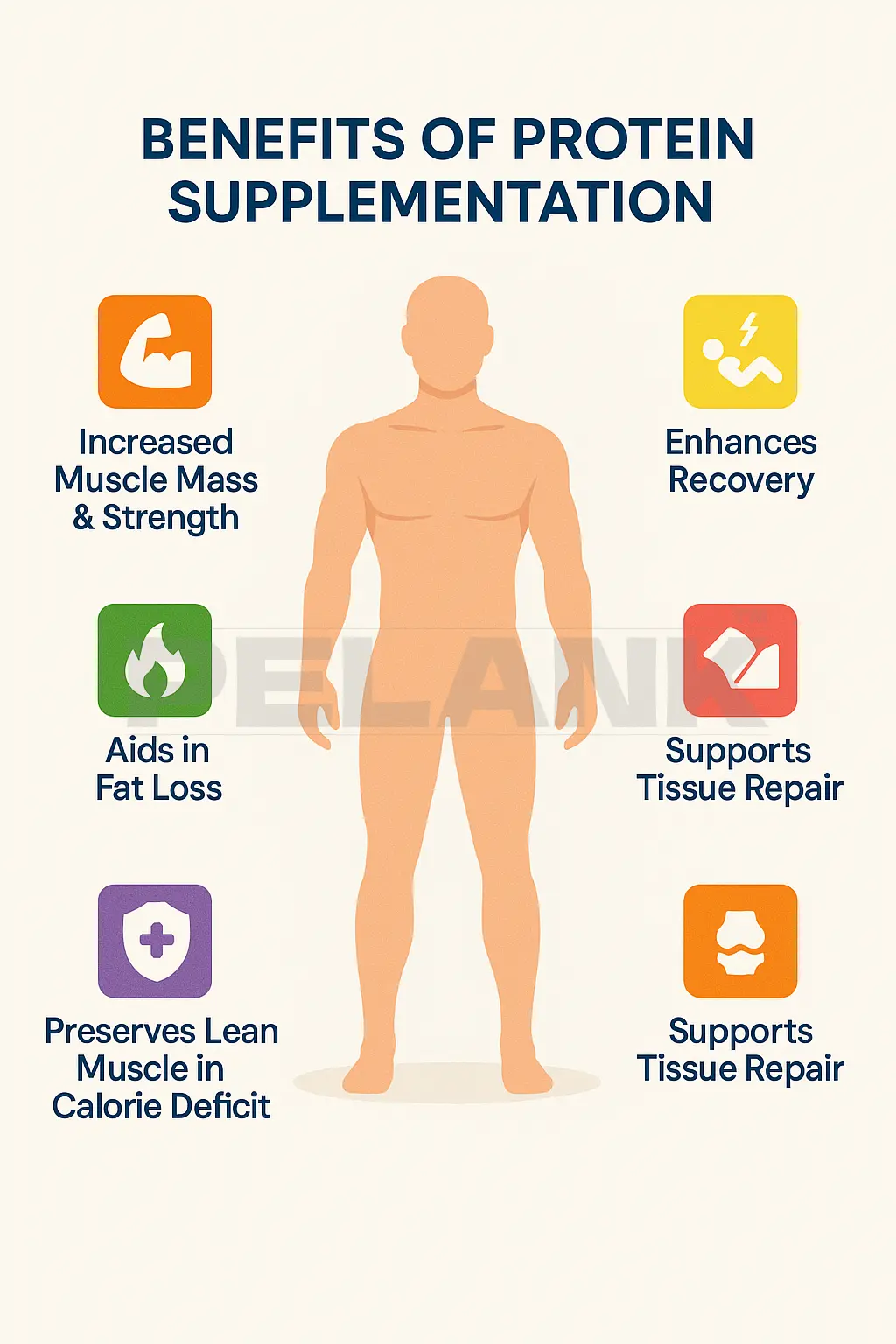
✅ Supports weight loss and fat burning
🟢 Protein is the only macronutrient that requires significant energy to digest (the Thermic Effect), meaning it boosts your basal metabolic rate (BMR) even at rest. It also increases satiety hormones like PYY and GLP-1, reducing overall appetite.
💡 Combining whey isolate with fiber or caffeine in fat-loss programs has been shown to accelerate weight reduction by up to 20%.
✅ Preserves muscle mass during low-calorie diets
🟢 Under calorie restriction, the body breaks down muscle proteins for energy. Protein supplements provide rapid essential amino acids, preventing negative nitrogen balance and protecting against muscle catabolism.
✔️ This means you can lose fat without losing muscle mass—resulting in a defined, sculpted physique instead of a thin and fatigued one.
✅ Enhances recovery and reduces muscle soreness (DOMS)
🟢 Post-workout protein acts like the body’s rapid repair team.
🔶 Amino acids enter the micro-damaged muscle fibers, initiate resynthesis, and reduce exercise-induced inflammation. Research shows that consuming 20–30 grams of whey immediately after training can reduce DOMS intensity by up to 50%.
💬 Combining whey with creatine and beta-alanine exponentially enhances recovery effectiveness.
✅ Supports cellular and tissue repair throughout the body
🟢 Protein isn’t just for muscles; every cell in the body needs it to rebuild membranes, enzymes, and DNA. During periods of illness, injury, or surgery, protein supplementation accelerates tissue regeneration and even strengthens the immune system.
🧠 Summary
✅ Protein supplements should not be mistaken for “marketing powders.” When chosen correctly and consumed at the right time, they act like a genetic code within the body—a signal for building, repairing, and regulating metabolism.
🧠 In other words:
“With protein, you rewrite your body—not just your muscles.”
Possible side effects and misconceptions
✅ This section is written with scientific precision—drawing a clear line between physiological facts and social media myths.
✅ Does high protein intake damage the kidneys?
✅ Short truth: In healthy individuals with normal kidney function, high-protein diets (up to about 2.2 g per kg of body weight per day) have shown no structural kidney damage in human studies. Increases in GFR and nitrogen excretion are adaptive responses—not signs of harm.
⛔ Exception: If you have kidney disease (CKD), recurrent kidney stones, uncontrolled diabetes, or untreated hypertension, your protein intake should be personalized and usually kept within lower ranges.
💠 Practical safety tips
✔️ Stay hydrated: 300–500 ml of water for every 20–30 g of protein powder.
✔️ Manage sodium (especially with flavored powders).
✔️ Distribute intake across 3–5 meals instead of consuming it all at once.
✔️ If you have a history of CKD or kidney stones → do regular tests (eGFR, creatinine, BUN, 24-hour urine).
🟩 Bottom line: In healthy individuals, protein itself isn’t harmful; the real risk comes from pre-existing conditions or poor fluid/electrolyte management.
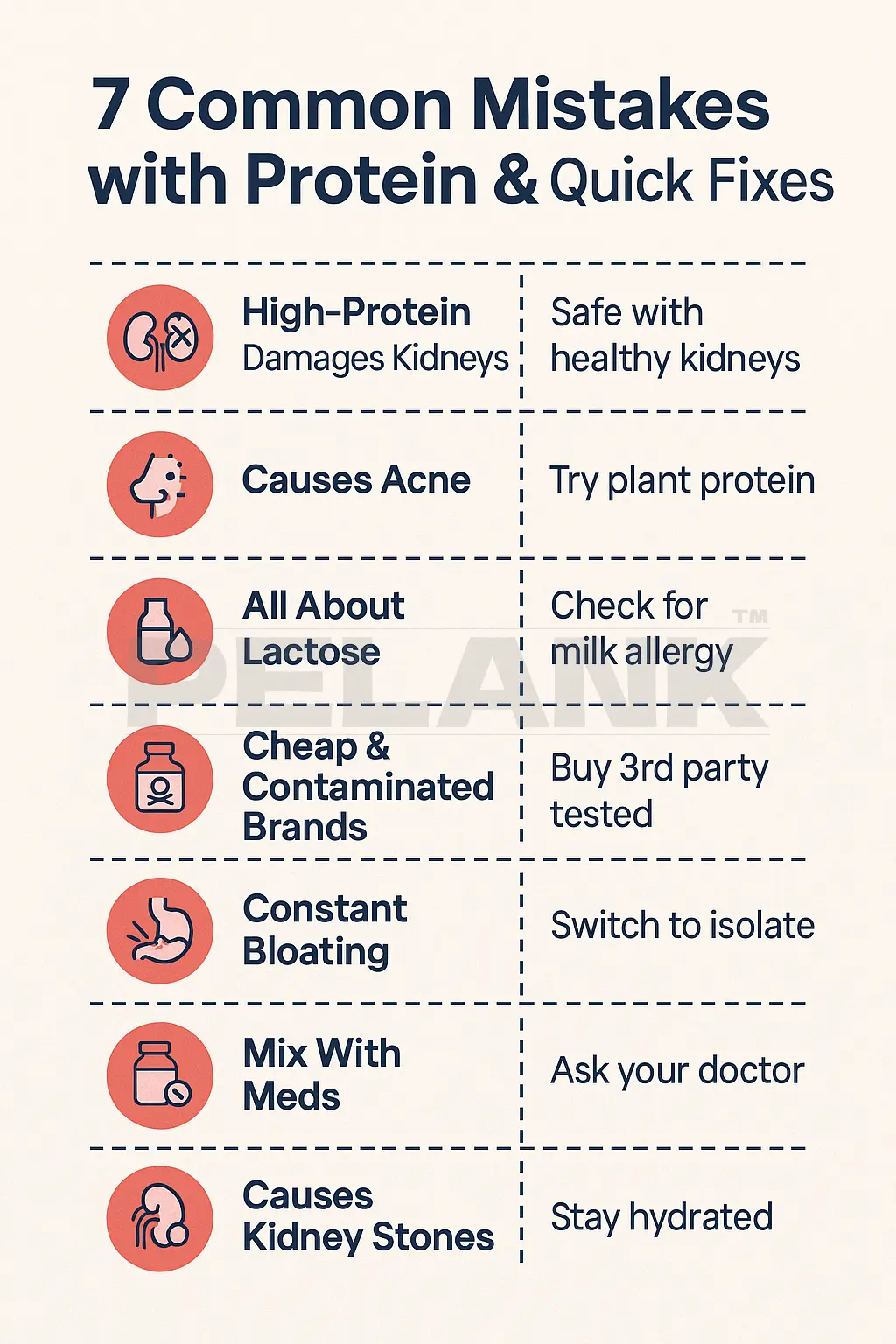
✅ Whey protein and acne/skin issues
💠 Some individuals are sensitive to dairy or whey concentrate; elevated insulin/IGF-1 levels and trace hormonal residues in dairy products can aggravate acne in those prone to it.
✔️ Most cases resolve by switching types:
From whey concentrate → whey isolate (lower lactose) or hydrolysate.
🔴 If issues persist, switch to a plant-based protein (soy, pea, rice, or blended plant formulas).
✔️ Maintain the basics: proper sleep, stress management, reduced simple sugars, skin hygiene, and cleansing sweat after workouts.
🟩 Bottom line: The issue isn’t “protein” itself—it’s the specific type and individual sensitivity. Manageable with the right choice.
✅ Difference between lactose intolerance and dairy allergy
Feature | Lactose Intolerance | Milk Protein Allergy |
|---|---|---|
Mechanism | Lactase enzyme deficiency | Immune reaction to casein/whey |
Symptoms | Bloating, gas, cramps, diarrhea | Hives, itching, wheezing/swelling, severe nausea; sometimes dangerous |
Onset Time | 30–180 minutes after consumption | From a few minutes to several hours |
Test | Lactose Breath Test | Specific IgE / Skin Prick Test |
Solution | Whey Isolate / Hydrolysate or plant-based protein | Complete avoidance of dairy/whey/casein; switch to plant-based protein |
🟩 Final verdict: Bloating after whey isn’t necessarily an “allergy”; it’s often lactose intolerance and can be resolved with isolate or hydrolyzed whey.
A true allergy → a completely different mechanism.
✅ Risks of cheap and non-standard protein powders
⛔ This is where you really need to be strict:
👎🏻 Amino Spiking (Nitrogen cheating):
❌ Adding cheap amino acids (glycine, taurine) to inflate total protein numbers. Result: less effective protein.
👎🏻 Microbial/heavy metal contamination:
❌ Lead, cadmium, arsenic, or solvent/microbial residues → can harm the liver, kidneys, and skin.
👎🏻 Banned or doping substances:
❌ Serious risk for athletes.
👎🏻 Misleading labels:
❌ “Proprietary blends” without amounts, unrealistic doses, missing amino acid profiles.
🟩 Safe purchasing checklist
✔️ Look for third-party certifications: NSF Certified for Sport / Informed Choice / USP.
✔️ Check for a COA (Certificate of Analysis) or third-party lab transparency.
✔️ Verify a clear amino acid profile and real protein per scoop.
✔️ Avoid “miracle” claims and suspiciously cheap prices.
✔️ Buy from trusted retailers or official stores — never from “bulk” or unbranded packages.
✅ Common digestive side effects and how to manage them
💠 Bloating/cramps: Switch to isolate, hydrolysate, or plant-based protein; reduce sugar alcohols; use cold water.
💠 Constipation: Increase water and fiber intake; add a serving of fruits or vegetables with your shake.
💠 Reflux: Take smaller, slower sips; avoid lying down immediately after consumption.
✅ Kidney stones, calcium, and mineral balance
💠 High protein intake can slightly increase urinary calcium, but with adequate dietary calcium, potassium (from fruits and vegetables), magnesium, and proper hydration, the risk is well managed.
💠 History of calcium stones? Keep daily fluids above 2.5 liters, reduce sodium intake, and maintain moderate protein consumption.
✅ Interactions and precautions
❌ Kidney or liver disease, active gout, pregnancy, or breastfeeding → should be supervised and adjusted by a physician or nutritionist.
❌ Certain medications (e.g., MAO inhibitors with high-tyrosine powders at large doses) require professional evaluation.
✔️ For adolescents: focus on whole foods; supplements should only be used to fill gaps and under supervision.
✅ Sharp summary
✔️ In healthy individuals, protein supplements are safe and beneficial; the “kidney damage” fear is a myth.
✔️ The real concern lies in choosing the right type, dose, product quality, and ensuring adequate hydration.
✔️ Any unusual symptoms that don’t resolve after adjusting type or dosage → seek medical evaluation.
Best time to consume protein
✅ Protein is only effective when consumed at the right moment—when the body is on the verge of synthesis, repair, or muscle breakdown. The difference between an average body and a well-built one often comes down to precise timing. 👇
✅ Morning: jumpstart metabolism and halt overnight catabolism
🔰 After 7–8 hours of sleep, blood amino acid levels drop, and the body begins breaking down muscle tissue for energy.
🟩 Consuming 20–30 grams of fast-digesting protein (such as whey or eggs) in the morning helps:
✔️ Activate muscle protein synthesis (MPS)
✔️ Prevent muscle protein breakdown (MPB)
✔️ Boost alertness and energy to start the day
💠 Suggestions:
🔹 Whey isolate or concentrate mixed with water
🔹 Or whole eggs with whole-grain bread for glucose balance
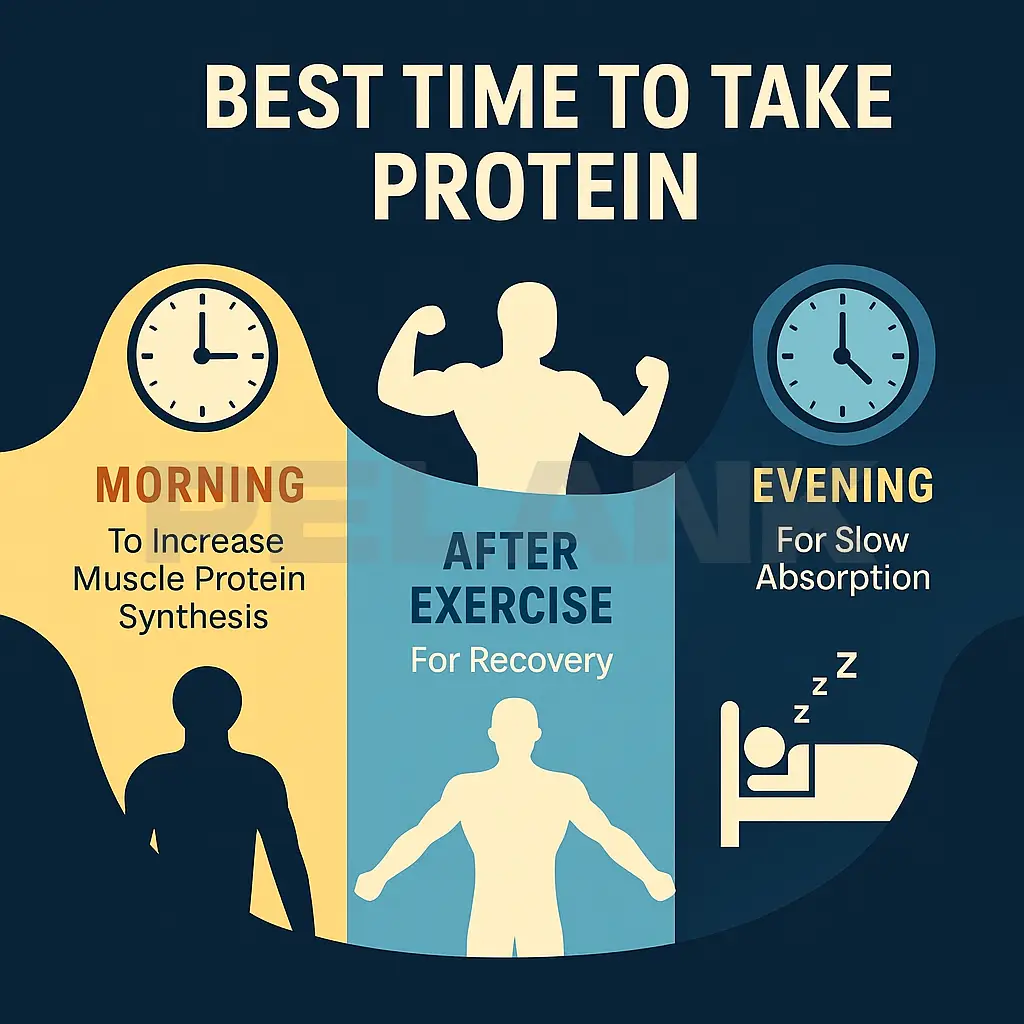
✅ Immediately after training: the anabolic golden window
🔰 In the 30–60 minutes post-workout, the body acts like a sponge—highly sensitive to amino acids. At this moment, whey or a whey + simple carb combo (like banana or honey) delivers maximum efficiency.
✅ Effects:
✔️ Rapidly increases MPS and repairs damaged muscle fibers
✔️ Replenishes glycogen stores
✔️ Reduces muscle soreness (DOMS)
✔️ Speeds up recovery and readiness for the next session
💠 Suggestion:
🔹 1 scoop whey isolate (25 g) + 1 banana + cold water
🔹 Combine with 3–5 g creatine for a synergistic effect
✅ Before sleep: slow and sustained muscle nourishment
🔰 During sleep, the body remains in a semi-catabolic state for several hours. Consuming casein or a protein blend before bed ensures a slow, steady release of amino acids into the bloodstream, providing continuous nourishment for muscle tissue.
✅ Effects:
✔️ Reduces muscle breakdown during sleep
✔️ Enhances tissue repair and growth
✔️ Supports immune system recovery
💠 Suggestion:
🔹 1 scoop casein (25 g) with low-fat milk or water
🔹 Or Greek yogurt + nuts for a more natural slow-release option
✅ Between meals (during cutting or bulking phases)
🔰 During strict diets or long gaps between meals, blood amino acid levels drop. Consuming medium-digesting proteins like egg or blend formulas between meals helps maintain nitrogen balance and prevents sudden hunger.
💠 Suggestions:
🔹 Protein smoothie with almond milk and whey
🔹 Or a natural protein bar (oats + protein powder)
✅ Suggested protein timing chart (training day)
⏰ Time | 🧬 Protein Type | 🎯 Main Goal | 🥤 Example |
|---|---|---|---|
🌅 Morning (right after waking) | Whey or Eggs | Stop catabolism & boost synthesis | Whey shake + water |
🕓 Pre-workout (optional) | Whey + light carbs | Quick energy & amino supply | Whey + banana |
🕕 Post-workout | Whey Isolate or Hydrolyzed | Recovery & muscle repair | Whey + creatine |
🌙 Before sleep | Casein or Blend | Overnight sustained feeding | Casein shake |
🍽 Between meals | Blend or Egg protein | Maintain muscle mass | Protein smoothie |
🧠 Scientific summary:
The best time to consume protein is exactly when your body is hungry for amino acids—not just after training. Smartly distributing protein throughout the day keeps muscle synthesis active around the clock and multiplies your results.
How much protein do we need?
✅ The amount of protein your body needs isn’t a fixed number—it depends on body weight, training goals, age, activity level, and body composition. Too little leads to muscle loss; too much increases metabolic and digestive strain. That’s why your intake should be calculated scientifically and personalized.
✅ Scientific base formula
🟢 The global standard unit for calculating protein needs is grams of protein per kilogram of body weight (g/kg BW).
Activity Level / Goal | Recommended Protein (g/kg BW) | Explanation |
|---|---|---|
🧘♀️ Sedentary individual | 0.8 – 1.0 g/kg | For essential functions and tissue maintenance only |
🚶♂️ Light activity (walking, recreational fitness) | 1.0 – 1.3 g/kg | Maintains nitrogen balance and prevents muscle loss |
🏋️♂️ Resistance training (muscle building) | 1.6 – 2.2 g/kg | Maximizes MPS stimulation and muscle growth |
🏃♀️ Endurance athletes (running, cycling, swimming) | 1.4 – 1.8 g/kg | Supports muscle repair and energy replenishment |
🔥 Fat loss / cutting phase | 2.0 – 2.5 g/kg | Preserves muscle and increases satiety during calorie deficit |
👴 Elderly or recovery phase | 1.2 – 1.8 g/kg | Prevents sarcopenia and aids tissue regeneration |
✅ Key points for calculation
🔰 Protein intake should ideally be based on lean body mass (LBM) rather than total body weight for more accuracy.
🟢 Distributing protein across 3–5 meals per day improves absorption and increases MPS.
🟢 Around 0.4 g/kg per meal (roughly 30–40 grams for most people) is sufficient to maximize synthesis.
🟢 Intakes above 2.5 g/kg generally offer no additional benefit, except in specific cases (e.g., professional bodybuilders or extreme cutting phases).
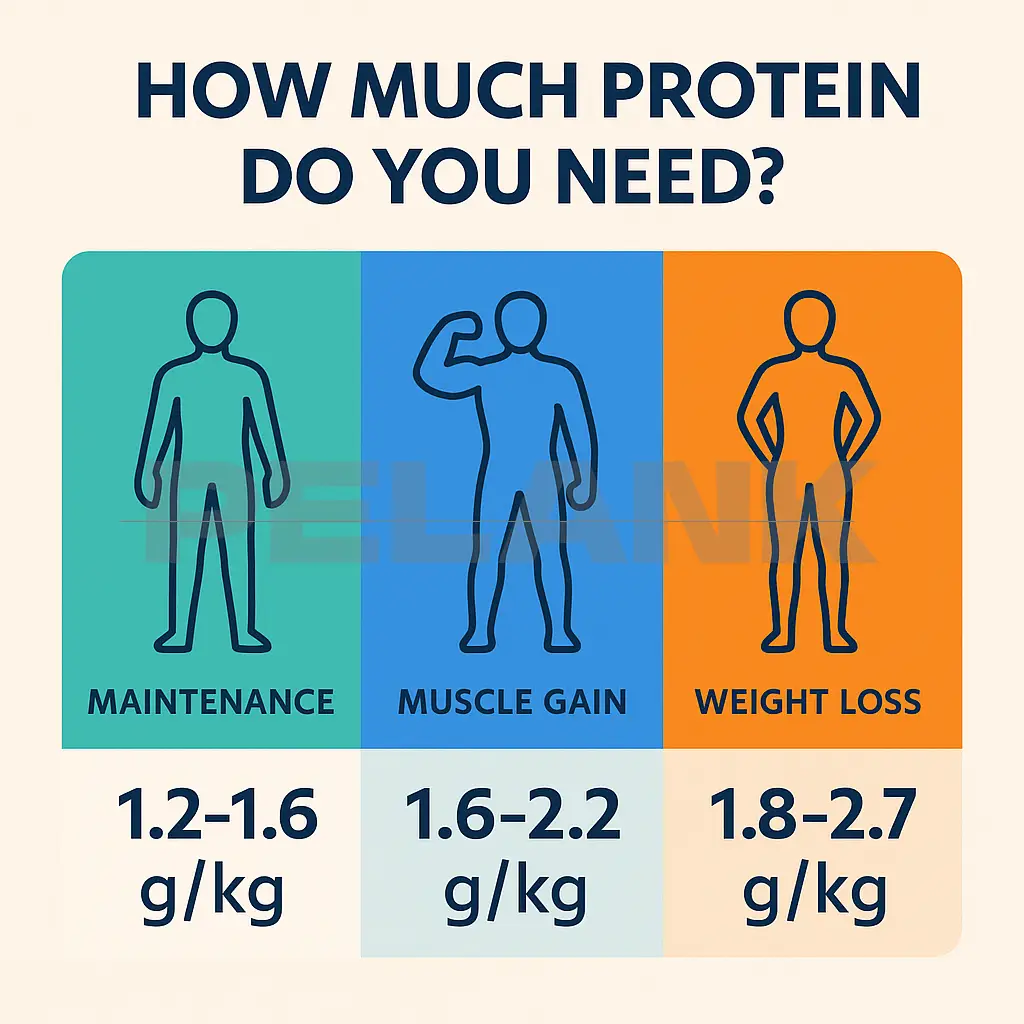
✅ Real-world examples
Body Weight | Goal | Recommended Intake | Total Daily Protein |
|---|---|---|---|
70 kg | Maintenance | 1.4 g/kg | ≈ 100 g/day |
70 kg | Muscle Building | 2.0 g/kg | ≈ 140 g/day |
70 kg | Fat Loss | 2.3 g/kg | ≈ 160 g/day |
✅ Automatic protein calculator tool
✅ To find out exactly how many grams of protein your body needs per day based on:
✔️ Current weight
✔️ Goal (bulking / fat loss / maintenance)
✔️ Activity level
✔️ Gender and age
Visit Pelank’s dedicated protein calculator tool 👇
🧠 Summary
✔️ The right protein means: the right amount, at the right time, from the right source. Not too much, not too little—just enough for your body to use every gram for building and repair.
How to choose the best protein supplement
✅ The protein supplement market is full of brands, claims, and technical jargon — but the right choice comes only from understanding the science behind the label and product quality, not from advertising. In this section, you’ll learn how to choose the best protein like a professional. 👇
✅ Label inspection
Label Reading
🔰 The first indicator of a supplement’s quality is its nutrition label. Always check these five factors:
1️⃣ Protein per serving: The actual amount of pure protein (not total powder). It should make up at least 75–85% of the serving weight.
2️⃣ Serving size: Check the scoop size and its protein ratio (e.g., 30 g serving → 24 g protein = excellent).
3️⃣ Calories & macronutrients: Be cautious—whey powders high in fat or sugar are usually lower in quality.
4️⃣ Ingredient list: The shorter and clearer, the better. Avoid formulas with “Proprietary Blends” lacking detailed amounts.
5️⃣ Amino acid profile: The presence of BCAAs (leucine, isoleucine, valine) and glutamine indicates a nutrient-rich formula.
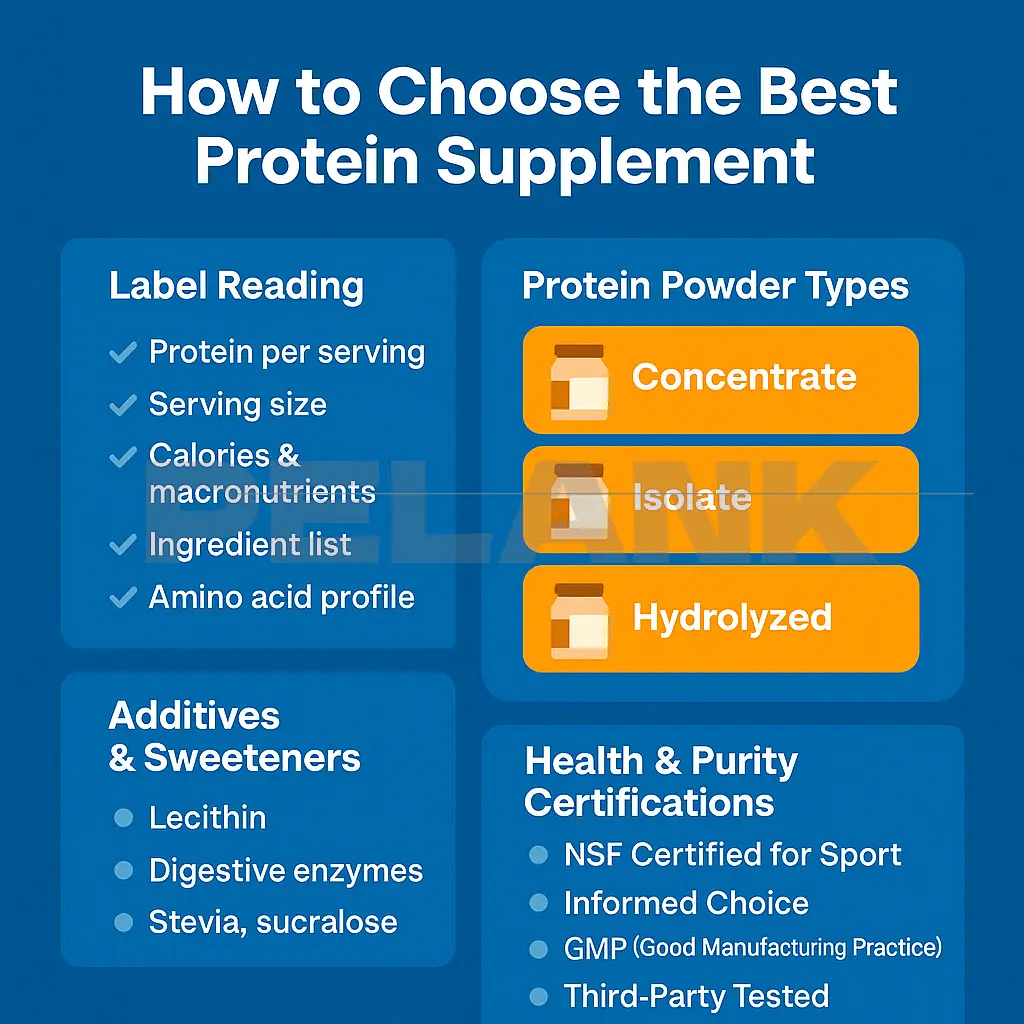
✅ Difference between types of protein powders
Type | Description | Advantages | Disadvantages | Best For |
|---|---|---|---|---|
Concentrate (WPC) | Basic whey form, ~70–80% protein | More natural taste, lower price | Contains lactose and a bit of fat | General users |
Isolate (WPI) | Further filtered, ~90% protein | Fast absorption, very low lactose | Higher cost | Lactose-sensitive users, fat-loss diets |
Hydrolyzed (WPH) | Broken down into short peptides | Instant absorption, hypoallergenic | More expensive, slightly bitter taste | Professional athletes, post-workout use |
🟢 Tip: If your goal is rapid muscle growth and light digestion, Isolate or Hydrolyzed are ideal choices. For general daily use, Concentrate is more economical and perfectly sufficient.
✅ Additives and Sweeteners
🔰 Whey powders usually contain flavorings and sweeteners — some are beneficial, others can be troublesome.
🟩 Common Additives:
🔸 Lecithin (Soy/Sunflower Lecithin): Helps dissolve better in water; considered safe.
🔸 Digestive Enzymes (Papain, Lactase): Improve absorption and reduce bloating.
🟩 Sweeteners:
🔸 Natural (Stevia, Thaumatin) → Healthier option
🔸 Artificial (Sucralose, Acesulfame K) → Safe within approved doses but may irritate sensitive individuals.
🔸 Best choice: a plain protein with minimal additives; if it tastes natural and mixes easily, that’s a sign of good formulation.
✅ Health and Authenticity Certifications
🔰 In the world of supplements, certification is more important than brand. These seals ensure that the powder truly matches its listed ingredients and is free from contamination or doping.
Certificate | Description | Importance |
|---|---|---|
NSF Certified for Sport | Verified free from banned substances | Very high (for professional athletes) |
Informed Choice / Informed Sport | Tested by an independent laboratory | Ensures safety and purity |
GMP (Good Manufacturing Practice) | Quality control during production | Ensures product consistency |
Third-Party Tested / COA | Independent lab report on product composition | Brand transparency |
Top Brands and Popular Products
✅ The global protein market is more competitive than ever, but a few brands stand out for their high quality and genuine transparency 👇
Brand | Signature Type | Country | Features | Quality Rating |
|---|---|---|---|---|
Optimum Nutrition (ON) | Whey Gold Standard | 🇺🇸 USA | WPC + WPI blend, tested by Informed Choice | ⭐⭐⭐⭐⭐ |
Dymatize ISO100 | Whey Hydrolyzed | 🇺🇸 USA | Fast absorption, lactose-free, award-winning | ⭐⭐⭐⭐⭐ |
MyProtein Impact Whey | Concentrate / Isolate | 🇬🇧 UK | Affordable, wide flavor variety | ⭐⭐⭐⭐ |
Transparent Labs Whey Isolate | Grass-Fed Isolate | 🇺🇸 USA | No artificial additives, high purity | ⭐⭐⭐⭐ |
MuscleTech NitroTech | Whey + Creatine | 🇺🇸 USA | Powerful blend, ideal for bulking | ⭐⭐⭐⭐ |
Nutriss / Karen | Whey Blend (Iranian) | 🇮🇷 Iran | IFDA-approved, locally regulated | ⭐⭐⭐ |
✅ Golden Tip for Choosing a Brand:
✔️ If your goal is maximum results and easy digestion → Dymatize ISO100 or Transparent Labs.
✔️ If you’re after affordability and flavor variety → MyProtein Impact.
✔️ If you’re buying locally and want verified authenticity → IFDA-approved brands like Karen.
🧠 Smart Summary:
🟩 The best protein supplement isn’t the most expensive one — it’s the one that truly matches what its label claims, scoop for scoop.
Frequently Asked Questions
FAQ
✔️ In healthy individuals, no. Studies show that consuming up to about 2.2 grams per kilogram of body weight causes no harm to the kidneys or liver. Only those with kidney or liver conditions should reduce intake under medical supervision.
✔️ Protein itself isn’t fattening, but if your total calorie intake exceeds what you burn daily, it can lead to weight gain. In a non-training body, excess protein is converted into energy or stored as fat.
🔰 There are three golden times:
1️⃣ In the morning after waking up — to stop muscle breakdown
2️⃣ Immediately after workout — for recovery
3️⃣ Before bedtime — for slow digestion with casein
🔰 Both are excellent supplements, but they serve different purposes:
✔️ Whey: Fast absorption, ideal after workouts
✔️ Casein: Slow absorption, ideal before sleep
✔️ A combination of both gives the best results.
🔰 In general:
For maintenance: 1.2–1.4 g/kg
For muscle building: 1.6–2.2 g/kg
For fat loss: 2.0–2.5 g/kg
For a more precise number, use the Pelank Protein Calculator.
✔️ Yes. There’s no major physiological difference in protein requirements between men and women; only the dosage is adjusted based on body weight. Protein helps with toning, muscle maintenance, and even boosting metabolism in women.
Plant-based proteins such as soy, pea, rice, and blended formulas are the best options.
Today, many vegan supplements offer excellent quality and absorption, even rivaling whey.
In acne-prone individuals, whey concentrate (which contains lactose) may cause irritation.
Solution: switch to Whey Isolate or plant-based protein and reduce simple sugars in your diet.
Look for an authenticity tracking code or NSF / Informed Choice certification.
Check for high-quality packaging and printing.
Be cautious of excessive foaming or overly sweet taste.
Always buy from reputable stores or the brand’s official website.
It depends on your goal:
If your goal is muscle gain or higher calorie intake, milk (especially low-fat) is a good option since it adds carbs, fat, and extra protein.
If your goal is fat loss or faster absorption, water is the best choice because it speeds up digestion.
The belief that “the body can only absorb 30 grams of protein” is a myth.
The body can absorb more, but muscle protein synthesis tends to level off after about 0.4 g/kg per meal.
Excess protein is either used to build other tissues or broken down for energy.
As long as real food remains the main source of nutrition, no — protein powder is not dangerous.
However, excessive use or replacing meals with shakes may interfere with normal growth and micronutrient intake.
For teenagers, one serving per day under parental supervision is recommended.
Yes — and it can actually be more effective.
Studies show that taking creatine with whey after workouts leads to greater gains in muscle size and strength compared to taking them separately.
The combination is safe as long as you stay hydrated and keep dosages within recommended limits.
Protein does not cause hair loss — in fact, protein deficiency is one of the causes of hair thinning.
The hair loss rumors are linked to excessive use of powders containing DHT boosters or low-quality, unregulated products, not to whey or casein itself.
Yes, research shows that whey protein can actually improve insulin response and help stabilize blood sugar levels.
Just choose a sugar-free, isolate (WPI) version and use it under medical supervision.
No, protein is well absorbed even on an empty stomach.
In the morning or before a workout, taking whey on an empty stomach can help activate protein synthesis faster.
For sensitive stomachs, it’s better to pair it with a small amount of carbs (like a banana or oatmeal).
Yes, every protein powder has an expiration date (typically 18–24 months after production).
After expiry, the protein may denature, losing quality and flavor.
If it smells sour or has changed color, it should be discarded.
No. Nighttime protein (such as casein) doesn’t cause weight gain because it minimally affects insulin and can even boost nighttime metabolism.
In fact, during muscle-building phases, taking protein before bed supports growth and recovery.
No. Women have much lower testosterone levels, so even with high protein intake, they won’t develop bulky, masculine muscles.
The real result of protein use in women is a firmer, more toned body with less fat.
Scientific Sources and References
✔️ Protein Requirements and Dietary Guidelines
✔️ Protein Quality and Evaluation Indexes (PDCAAS and Assessment)
✔️ Supplement Safety, Standards, and Regulations (FDA/NIH)
✔️ Protein and Kidney Health (Safety and Exceptions)
✔️ Lactose Intolerance vs. Milk Protein Allergy (Differential Diagnosis)
✔️ Protein/Supplements and Athletic Performance
✔️ Governmental and Public Data (Diet Composition, Dairy Intake, Children, etc.)
✔️ Selected Scientific References from PubMed
🧩 1. Muscle Protein Synthesis (MPS) and Performance
Phillips SM, et al. (2016) — Protein “requirements” beyond the RDA: implications for optimizing health.
Applied Physiology, Nutrition, and Metabolism.
Tipton KD & Wolfe RR (2001) — Exercise, protein metabolism, and muscle growth.
Int J Sport Nutr Exerc Metab.
Morton RW et al. (2018) — A systematic review and meta-analysis of protein supplementation on resistance training–induced gains in muscle mass and strength.
Br J Sports Med.
⚙️ 2. Daily Requirements and Upper Intake Limits for Protein
FAO/WHO/UNU (2013) — Protein and Amino Acid Requirements in Human Nutrition: Report of a Joint Expert Consultation.
Witard OC et al. (2014) — Myofibrillar muscle protein synthesis rates after 20 g vs. 40 g of whey protein following whole-body resistance exercise.
Am J Clin Nutr.
💪 3. Protein and Athletic Performance
Pasiakos SM et al. (2015) — Higher protein diets support improvements in body composition and strength during resistance training in soldiers.
J Nutr.
Jäger R et al. (2017) — International Society of Sports Nutrition Position Stand: protein and exercise.
J Int Soc Sports Nutr.
⚠️ 4. Protein Safety and Kidney Function
Poortmans JR & Dellalieux O. (2000) — Do regular high protein diets have potential health risks on kidney function in athletes?
Int J Sport Nutr Exerc Metab.
Antonio J et al. (2018) — A high protein diet has no harmful effects: a one-year crossover study in resistance-trained males.
J Nutr Metab.
🧴 5. Absorption, Types, and Differences of Proteins (Whey, Casein, Plant-Based)
Boirie Y et al. (1997) — Slow and fast dietary proteins differently modulate postprandial protein accretion.
Proc Natl Acad Sci USA.
Tang JE et al. (2009) — Ingestion of whey hydrolysate, casein, or soy protein isolate: effects on mixed muscle protein synthesis.
J Appl Physiol.
🧠 6. Protein and Cognitive Function / Overall Health
Benton D et al. (2019) — Protein intake and cognitive performance: a review of current evidence.
Nutrients.
Pelank Life | Body Health Assessment
The Best Body Health Calculators Using Scientific Methods
Developed by Pelank Life ©

Mohsen Taheri
November 28, 2025
