


Comprehensive Creatine Guide
🧠 Creatine: The Complete Scientific Guide from A to Z – Mechanism, Benefits, Dosage, and Safety
✅ Creatine is one of the most well-known and extensively researched sports supplements in the world. This natural compound boosts muscle energy stores, helping to improve strength, speed, muscle growth, and recovery. Hundreds of scientific studies have confirmed its positive effects not only on athletic performance but also on cognitive function. In this comprehensive Pelank guide, you’ll explore every scientific aspect of creatine — from its mechanism and dosage to safety, benefits, and common misconceptions.
Introduction & Overview
Pelank Supplement ©
✅ What Is Creatine?
A Simple Definition + Brief Biochemistry
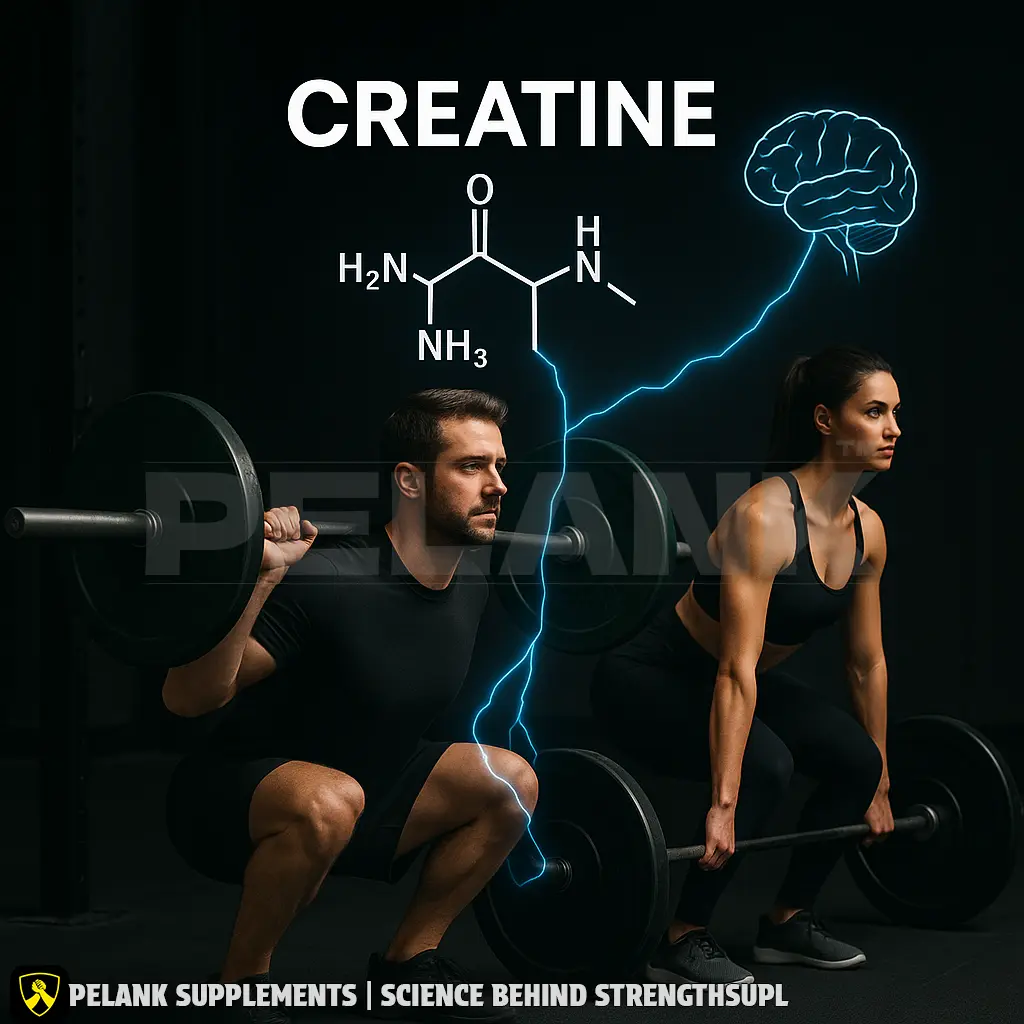
✔️ Creatine is a nitrogen-based compound that is naturally produced in the body and also found in animal-derived foods. In muscles, it is stored in two forms — free creatine (Cr) and phosphocreatine (PCr).
✔️ Biochemically, creatine is phosphorylated by the enzyme creatine kinase (CK) inside muscle cells to form PCr. PCr serves as the most precise and rapid “energy bank” for replenishing ATP during high-intensity, short-duration activities.
✔️ The transport of creatine from the bloodstream into cells occurs via the SLC6A8 transporter (Creatine Transporter, CreaT1). About 95% of the body’s creatine is stored in skeletal muscles, with the remaining 5% distributed in the brain, heart, and other tissues.
✅ Why Is Creatine Important in the Body?
Its Role in ATP Production
✔️ During explosive movements such as sprinting, heavy lifting, or jumping, the dominant energy system is the ATP–PCr system. ATP is rapidly depleted, and PCr immediately donates a phosphate group (Pi) to ADP to regenerate ATP.
🔶 Direct Results:
1️⃣ Increased instantaneous power and strength
2️⃣ Reduced performance drop between sets
3️⃣ Delayed short-term fatigue
In addition to muscles, the brain also uses PCr to support rapid energy demands in neurons — which is why research has explored creatine’s role in cognitive performance as well.
✅ Natural Sources of Creatine
Dietary Intake + Endogenous Synthesis
🔷 Endogenous Synthesis:
1️⃣ Step 1 (Kidneys/Pancreas): Arginine + Glycine → Guanidinoacetate (GAA) via the enzyme AGAT.
2️⃣ Step 2 (Liver): GAA → Creatine via the enzyme GAMT, using S-adenosyl-methionine as a methyl donor.
3️⃣ The body synthesizes about 1–2 grams of creatine per day and excretes roughly the same amount as creatinine — maintaining a natural turnover balance.
🔷 Dietary Sources:
Approximate Amounts in Raw Foods
🥩 Beef: ~3–5 g per kg (≈ 0.3–0.5 g per 100 g)
🎣 Tuna/Salmon: ~3–5 g per kg
🦈 Herring/Sardines: up to 6–10 g per kg
🍗 Chicken: typically 2–3 g per kg
Note: Prolonged cooking or repeated freezing significantly reduces the creatine content.
Vegetarians and vegans typically have lower intramuscular creatine stores, which is why they tend to experience a more pronounced response when supplementing with creatine.
✅ Why Do People Take Creatine Supplements?
1️⃣ Improved Athletic Performance: Increases maximal strength, repeated-set power output, and total training volume (Total Work).
2️⃣ Increased Lean Mass: Primarily through greater training capacity, enhanced anabolic signaling, and cell volumization.
3️⃣ Better Recovery: Supports faster ATP resynthesis and may reduce fatigue markers in high-volume training.
4️⃣ Cognitive and Neural Function: Evidence suggests improved performance under sleep deprivation or cognitive stress, and potential benefits in certain neurological disorders (an active research area).
5️⃣ Specific Populations:
🔸 Vegetarians/Vegans – due to lower baseline creatine stores.
🔸 Older Adults – for maintaining strength and functional capacity alongside resistance training.
🔸 Athletes in Power or Explosive Sports – such as football, weightlifting, and sprinting.
6️⃣ Safety and Accessibility: Creatine monohydrate is inexpensive, widely available, and has an excellent long-term safety record — offering one of the best cost-to-benefit ratios among all supplements.
Types of Creatine in the Market
Pelank Supplements ©
✅ In the supplement market, creatine is available in various forms — but from both scientific and practical perspectives, they all share the same purpose:
to increase intramuscular phosphocreatine stores and enhance short-term, explosive performance.
The main differences lie in their chemical structure, solubility, stability in stomach acid, and absorption rate. However, it’s important to note that most claims about the “superiority” of newer forms lack strong scientific evidence.

✅ Creatine Monohydrate
✔️ Definition: The simplest and oldest form of creatine — one creatine molecule combined with one water molecule.
👩🏻🔬 Research: Over 90% of scientific studies have been conducted on this form.
💠 Advantages:
1️⃣ Highest proven effectiveness
2️⃣ Excellent stability in dry conditions
3️⃣ Strong absorption in the body (especially when consumed with carbohydrates or protein)
4️⃣ Low cost and high availability
💠 Subtypes:
✔️ Micronized Creatine Monohydrate: Same monohydrate with finer particles for improved water solubility.
✔️ Creapure® (Germany): The purest monohydrate brand, lab-tested and quality-certified.
Conclusion: In terms of efficacy, safety, and cost, creatine monohydrate remains the gold standard, consistently outperforming other forms.
✅ Creatine Hydrochloride (HCL)
Creatine HCL
✔️ Definition: Creatine combined with hydrochloric acid to increase its solubility.
💠 Claimed Benefits:
1️⃣ Dissolves faster in water
2️⃣ Requires a smaller dose (around 1–2 grams instead of 5 grams)
3️⃣ May reduce bloating or digestive discomfort in some individuals
💠 Scientific Evidence:
🔸 Very limited research so far, with no significant performance difference compared to monohydrate.
🔸 Muscle creatine levels after consumption are similar.
✅ Conclusion: Suitable for those who experience digestive discomfort with monohydrate, but there’s no notable difference in effectiveness.
✅ Buffered Creatine
Kre-Alkalyn
✔️ Definition: Creatine monohydrate combined with a base (usually sodium bicarbonate) to make it more stable against stomach acidity.
💠 Claimed Benefits:
1️⃣ Reduced conversion of creatine to creatinine in the stomach
2️⃣ Better absorption and less bloating
💠 Evidence:
🔸 Independent studies (Buford et al., JISSN 2007) have shown no difference in muscle creatine levels or performance compared to monohydrate.
✅ Conclusion: More of a marketing claim than a scientific one. No significant difference from monohydrate.
✅ Creatine Nitrate
✔️ Definition: A combination of creatine and nitrate ions designed to merge the potential effects of increased blood flow.
💠 Benefits:
1️⃣ High solubility
2️⃣ Possible boost in nitric oxide and muscle pump
💠 Drawbacks:
🔸 The nitrate dose is too low to meaningfully affect blood flow.
🔸 Research is very limited and mostly industry-funded.
✅ Conclusion: Lacks sufficient scientific evidence; an experimental option for pre-workout formulas, not a replacement for standard creatine.
✅ Creatine Ethyl Ester
✔️ Definition: Creatine bonded with an ester to supposedly improve membrane permeability.
💠 Scientific Evidence:
🔸 In reality, it’s absorbed less effectively and converts to creatinine more rapidly in the bloodstream.
🔸 Studies (Spillane et al., 2009) have shown it to be less effective than monohydrate.
✅ Conclusion: A failed version — not recommended and offers no real advantages.
✅ Combined and Emerging Forms
1️⃣ Magnesium Creatine Chelate: Bound to magnesium; limited evidence, but results are similar to monohydrate.
2️⃣ Creatine Malate: Creatine combined with malic acid, mainly to improve solubility, with no proven performance advantage.
3️⃣ Buffered/Advanced Blends: Mixes of various creatine types for marketing purposes; no strong independent studies support their claims.
✅ Final Comparison: Absorption, Stability, Cost, and Effectiveness
Type of Creatine | Absorption / Solubility | Scientific Effectiveness | Safety | Price | Real-World Status |
|---|---|---|---|---|---|
Monohydrate | Moderate (improves with micronized form) | ✅Very strong | ✅Excellent | 💰 Low | Gold Standard |
HCL | High | ⚪ Similar to Monohydrate | ✅ Good | 💰💰Higher | Only differs in price and digestive comfort. |
Kre-Alkalyn | High | ⚪ Similar to Monohydrate | ✅ Good | 💰💰Higher | No scientific difference. |
Nitrate | High | ⚪ Limited data | ⚪ Unknown | 💰💰💰 High | Experimental / Gimmicky |
Ethyl Ester | Low | ❌ Weaker | ⚪ Moderate | 💰💰💰 High | Not recommended |
🧠 Conclusion: Which type of creatine is best, and why?
Based on all available scientific evidence (ISSN 2017, NSCA 2021, and multiple systematic reviews),
Creatine Monohydrate — especially the Micronized or Creapure form — remains the most effective, safest, and best-supported type of creatine.
✅ Strong scientific backing
✅ Affordable price
✅ Good absorption
✅ Proven effectiveness in dozens of human studies
Other forms may seem more appealing commercially, but to date, none have shown any meaningful scientific superiority over monohydrate in improving performance, muscle mass, or muscle creatine levels.
Creatine Function and Scientific Mechanism
Pelank Supplement ©
✅ Creatine is not just an energy-boosting supplement — it’s a key molecule in cellular energy regulation and anabolic signaling. Understanding its precise role at the cellular level explains why its effects on strength, muscle growth, and recovery are so significant.
✅ The Role of Creatine in the ATP–PC Energy Cycle
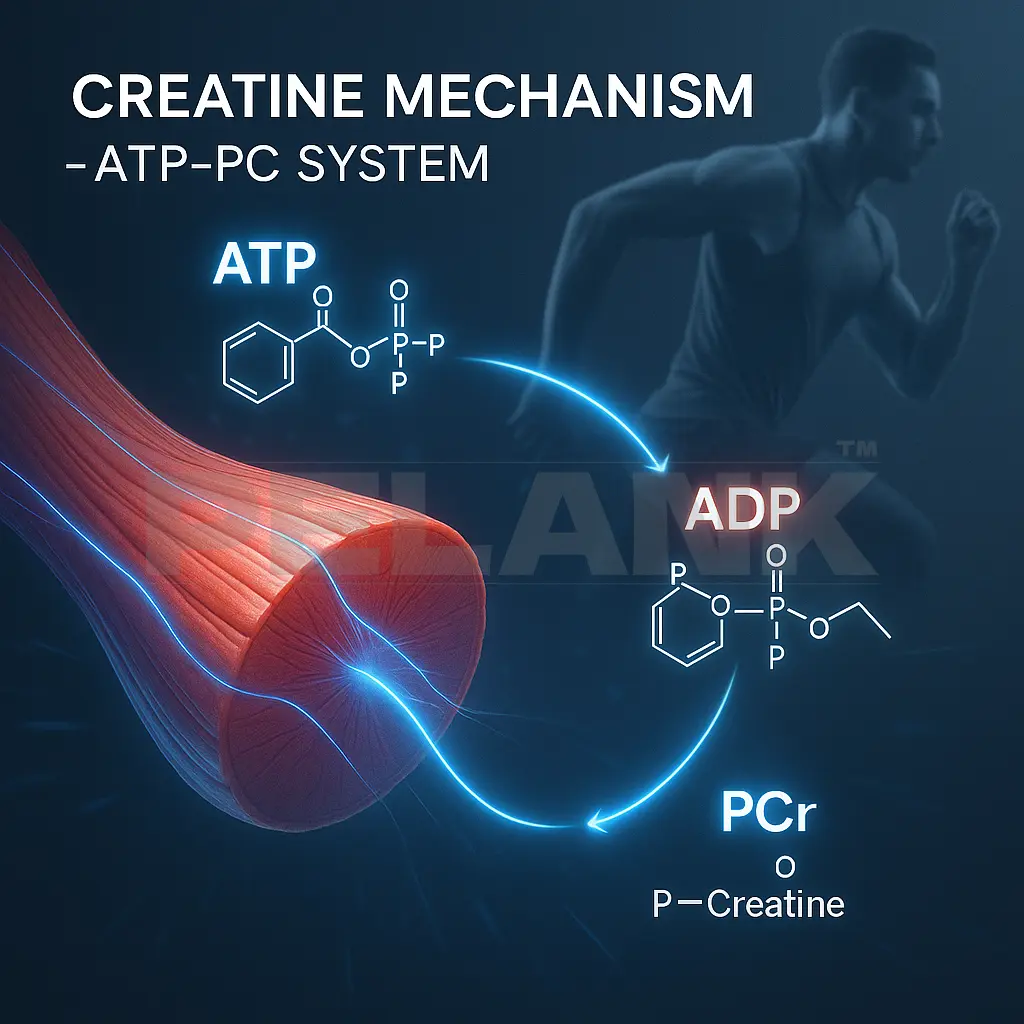
💠 All muscle contractions — from the simplest to the heaviest — depend on energy produced by adenosine triphosphate (ATP). During muscle contraction, ATP is rapidly broken down into ADP, and its stored supply lasts only a few seconds.
🔸 At this point, creatine steps in:
Phosphocreatine (PCr) + ADP → Creatine + ATP
(via the enzyme creatine kinase)
Thus, creatine donates a high-energy phosphate group to quickly regenerate ATP, allowing muscles to sustain maximal effort for a few extra seconds.
📈 Practical outcomes of this cycle:
1️⃣ Increased explosive power in short, intense efforts (e.g., squats, deadlifts, sprints).
2️⃣ Reduced performance drop-off during repeated sets.
3️⃣ Greater total mechanical work performed in each training session.
✅ Effects on Anaerobic Performance
Strength, Speed, and Muscle Growth
✔️ Creatine directly enhances the anaerobic phosphagen energy system, which powers the first 6–10 seconds of high-intensity activity.
🔷 In practice:
🔰 Maximal strength (1RM) increases by about 5–15%.
🔰 Performance in multi-set explosive training improves, leading to greater total work output.
🔰 Higher training capacity means more total volume over time → resulting in muscle hypertrophy (growth).
📚 ISSN 2017 study: Creatine monohydrate supplementation combined with resistance training leads to an average 1.5–2 kg increase in lean body mass within 4–8 weeks.
✅ Effects on Recovery and Muscle Fatigue
🔷 Creatine plays a role not only during training but also in post-workout recovery:
✔️ Faster ATP and PCr resynthesis → muscles perform better in the next set or training session.
✔️ Reduced lactate and hydrogen ion buildup → delays muscle acidification and fatigue.
✔️ Enhanced glycogen replenishment after exercise (especially when combined with carbohydrates).
✔️ Some studies also show that creatine may reduce oxidative stress and muscle inflammation.
🔶 Conclusion: Creatine can shorten recovery time between intense sessions and help maintain an anabolic state in the body.
✅ Cellular and Molecular Effects
Cellular Mechanisms
🔷 Creatine is more than just an energy source; at the cellular level, it activates several key pathways:
1️⃣ Cell Volumization:
🔸 Water influx into muscle fibers causes cell swelling.
🔸 This swelling acts as an anabolic signal, stimulating protein synthesis.
2️⃣ Activation of mTOR and Anabolic Pathways:
🔸 The mTOR pathway (mammalian Target of Rapamycin) is the main regulator of protein synthesis.
🔸 Creatine enhances mTOR signaling through increased intracellular energy (high ATP, low AMP) and cell volumization.
3️⃣ Improved Mitochondrial Function:
🔸 Some evidence suggests creatine may help stabilize mitochondrial membranes and improve oxidative phosphorylation efficiency.
4️⃣ Neurological Effects:
🔸 Phosphocreatine (PCr) serves the same energy-buffering role in neuronal cells.
🔸 Recent neuroscience research indicates that creatine may enhance cognitive performance and increase neuronal resilience under energy stress.
🧠 Scientific Summary
Level of Effect | Explanation | Physiological Outcome |
|---|---|---|
Immediate Energy | Rapid ATP Resynthesis via PCr | Increased Power and Strength |
Training | Greater Mechanical Work and Better Recovery | Muscle Growth and Enhanced Performance |
Cellular | Cell Swelling + mTOR Activation | Increased Protein Synthesis |
Neural | Immediate Energy for Neurons | Improved Focus and Cognitive Performance |
In summary, creatine is not just a rapid energy source but a key regulator of energy homeostasis, anabolic signaling, and the health of both muscle and brain.
Next, the following section will present the scientifically proven benefits of creatine with a detailed review of human studies.
Scientifically Proven Benefits of Creatine
Based on reputable global sources
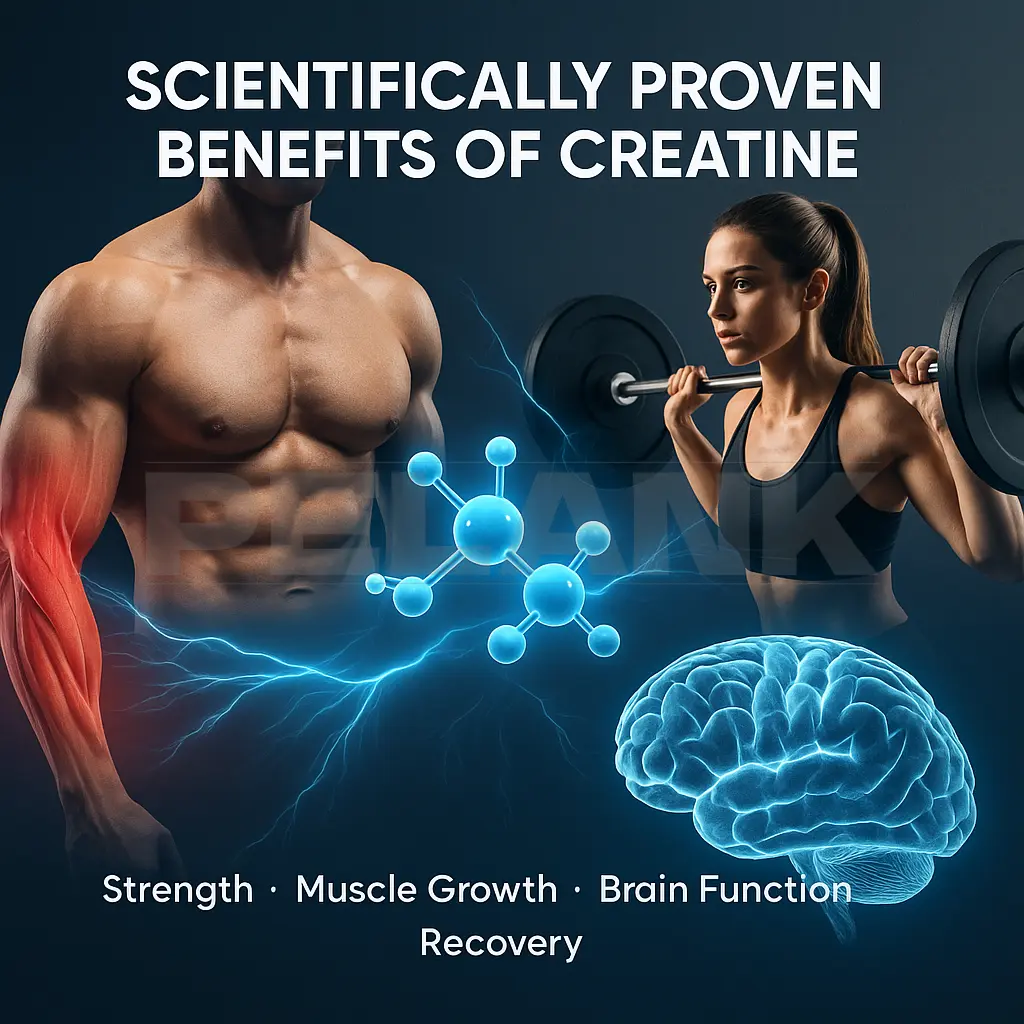
✅ Creatine is one of the most extensively researched sports nutrition supplements in scientific history. According to systematic reviews and official position stands by the International Society of Sports Nutrition (ISSN, 2017) and the National Strength and Conditioning Association (NSCA, 2021), consistent use of creatine monohydrate is recognized as the most effective natural ergogenic aid for enhancing physical performance and physiological benefits in humans.
Below are its primary benefits, summarized from human data and reputable scientific sources 👇
✅ Increased Strength and Explosive Power
Strength & Power Output
🔰 Creatine directly increases muscle phosphocreatine (PCr) stores, allowing muscles to release more energy per set.
📊 Key Studies:
Buford et al., JISSN 2007 – A review of 22 human trials found that creatine supplementation increased average muscle strength by 5–15%.
Branch, 2003 (Int J Sport Nutr Exerc Metab) – Reported significant improvements in multi-joint exercises such as squats and bench press after 8 weeks of creatine use.
💪 Practical Outcomes:
✔️ Enhanced instantaneous power during explosive training (sprints, weightlifting, CrossFit).
✔️ Faster progression in strength records (1RM).
✅ Increased Muscle Mass
Muscle Hypertrophy
🔰 Creatine promotes muscle growth both indirectly—by increasing training strength and workload—and directly, through cell swelling and mTOR pathway activation.
📚 Research Findings:
Volek et al., 1999 – J Appl Physiol: During 12 weeks of resistance training, the creatine group gained 2–4 times more lean body mass than the control group.
Candow et al., 2014: Creatine supplementation increased the diameter of type II (fast-twitch) muscle fibers in both trained men and women.
⚙️ Mechanisms:
✔️ Greater training strength → higher total workload → anabolic adaptation
✔️ Increased intracellular water → mechanical growth signal
✔️ Activation of the mTOR pathway → enhanced muscle protein synthesis
✅ Improved Performance in Repeated Training Bouts
Repeated-Bout Performance
🔰 Creatine enhances the muscle’s ability to maintain performance across multiple consecutive sets — meaning less fatigue, faster recovery, and higher training quality.
📈 Rawson & Volek, 2003 (J Strength Cond Res):
Participants who supplemented with creatine showed a 6–15% increase in total mechanical work output during repeated high-intensity exercise bouts.
⚡ Practical Applications:
✔️ Ideal for HIIT, CrossFit, Olympic lifting, sprinting, and football.
✔️ Especially beneficial for interval-based training with short recovery periods.
✅ Supports Brain Health and Cognitive Function
Brain & Cognitive Function
🔰 Creatine’s benefits extend beyond muscle — in the brain, it serves as an immediate energy source (PCr).
When brain energy availability drops (due to lack of sleep, stress, or illness), creatine supplementation can help maintain cognitive performance.
🧠 Scientific Studies:
✔️ Rae et al., Proc R Soc B, 2003: In healthy young adults, creatine improved working memory and mental alertness in cognitive tests.
✔️ McMorris et al., Psychopharmacology, 2007: Creatine supplementation significantly enhanced cognitive performance under sleep deprivation.
✔️ Avgerinos et al., 2018 (Front Aging Neurosci): A systematic review confirmed that creatine may have an energy-protective role in neurodegenerative conditions such as Parkinson’s disease.
✅ Improved Blood Glucose Control and Metabolic Function
🔰 Creatine may improve insulin sensitivity and glycogen storage by enhancing glucose transport and mitochondrial function.
📚 Gualano et al., Med Sci Sports Exerc, 2008:
In individuals with type 2 diabetes, creatine combined with aerobic training produced a significant improvement in insulin sensitivity compared to exercise alone.
📉 Proposed Mechanisms:
✔️ Upregulation of GLUT-4 glucose transporters in muscle cells.
✔️ Improved cellular energy metabolism within muscle tissue.
✔️ Increased post-exercise glycogen storage.
✅ Effects on Performance in Older Adults and Special Populations
🔰 Creatine also provides proven benefits for non-athletic populations.
👵 Older Adults:
✔️ Chrusch et al., 2001 (Med Sci Sports Exerc): In elderly participants, resistance training combined with creatine increased muscle strength and mass with no adverse effects on kidney health.
✔️ Candow et al., 2008: Reported reduced age-related performance decline, along with improvements in balance and functional strength.
🧬 Neurological and Metabolic Patients:
✔️ Bender et al., 2008 (Neurology): In Parkinson’s disease, creatine did not slow disease progression but improved muscle function and quality of life.
✔️ Matthews et al., 1999 (PNAS): In an ALS animal model, creatine increased neuronal survival.
✔️ Rocha et al., 2012: Preliminary evidence suggests creatine may reduce mild depressive symptoms by enhancing neuronal energy availability.
🧩 Summary of Scientifically Proven Benefits of Creatine
Field of Effect | Scientific Evidence | Brief Explanation |
|---|---|---|
Strength and Power | ✅ Strong | 5–15% increase in strength and power during heavy training |
Muscle Mass | ✅ Strong | Increase of 1.5–2 kg in lean body mass within 4–8 weeks |
Recovery and Repeated Performance | ✅ Strong | Rapid ATP resynthesis and reduced fatigue |
Brain Health | ⚪ Moderate to Strong | Improved memory and cognitive performance under energy stress |
Glucose Control and Metabolism | ⚪ Moderate | Increased insulin sensitivity when combined with exercise |
Older Adults and Special Populations | ⚪ Moderate | Maintenance of functional strength and neural health |
✅ Final Summary:
Creatine is one of the few supplements whose effectiveness across multiple levels of performance — from muscle strength to brain function — is strongly supported by scientific evidence.
No other supplement to date has demonstrated such a vast and consistent body of positive data across diverse populations, including athletes, older adults, and clinical patients.
Dosage, Usage, and Timing of Creatine
Based on reputable global scientific sources
✅ Standard Dosage
🔰 Loading Method (Fastest Saturation):
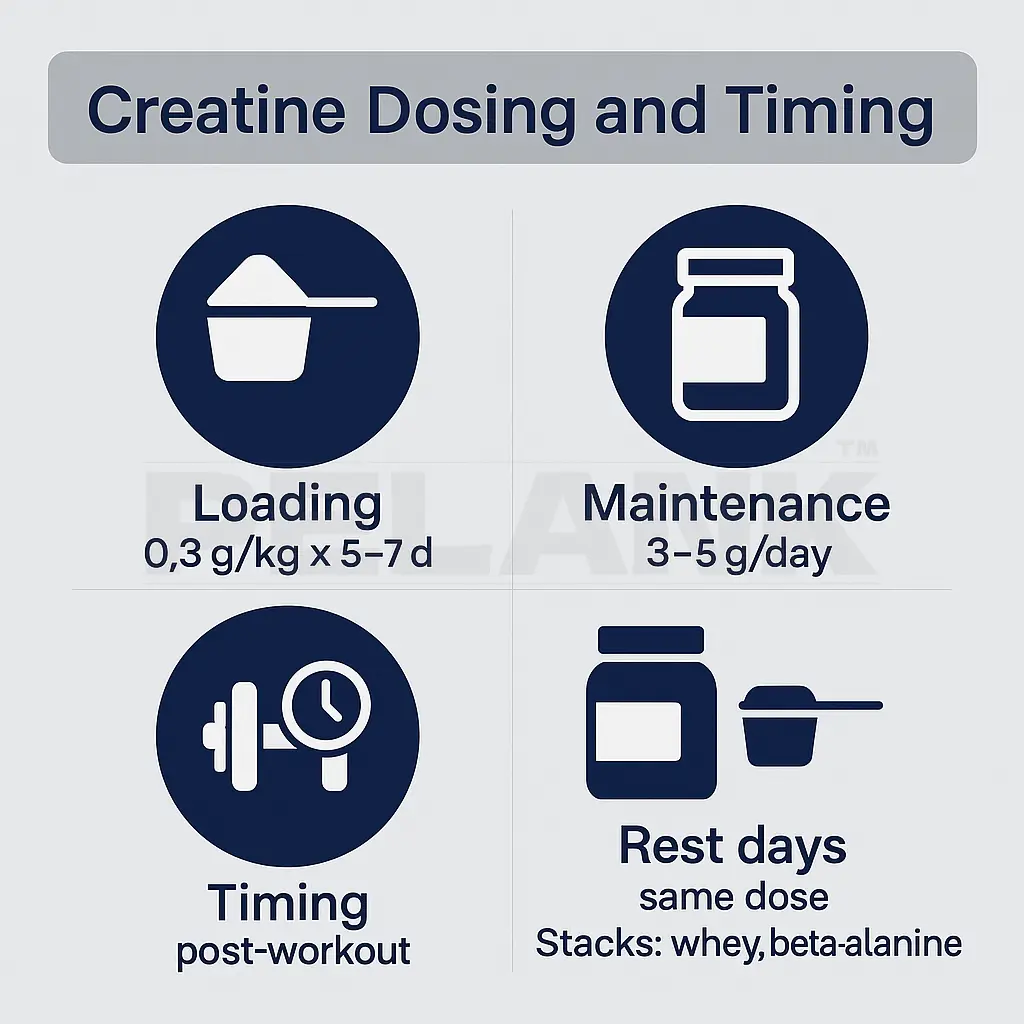
🟡 0.3 g/kg/day for 5–7 days (e.g., a 70 kg individual ≈ 21 g/day, divided into 4 equal doses).
🟡 Then switch to maintenance phase: 0.03 g/kg/day (typically 3–5 g/day; for very large or muscular individuals, 5–10 g/day).
🔰 Non-Loading Method (Gradual):
🟢 3–5 g/day from the start — full muscle saturation occurs after about 3–4 weeks.
🔶 Practical Tips for Digestive Comfort:
✔️ Use micronized powder, dissolve each serving in at least 250–350 ml of water, split your daily dose into 2–3 smaller servings, and take with meals.
✅ Best Time to Take Creatine
🔰 Core Principle: Consistency matters more than timing — as long as you take it daily, the exact timing makes only a small difference.
🔷 For optimal results:
✔️ Taking it around your workout (especially post-workout) with protein and carbohydrates may slightly enhance absorption via insulin and the sodium-dependent SLC6A8 transporter.
✔️ If you have a sensitive stomach or experience bloating before training, take it after your workout or with a main meal instead.
✔️ Caffeine? Evidence is mixed. Practically, if you feel high caffeine doses reduce creatine’s effect, simply separate their timing (e.g., creatine post-workout or in the evening).
✅ Creatine Use on Rest Days
✔️ Continue the same daily dose (3–5 g).
✔️ Timing doesn’t matter — just pick a consistent time each day (e.g., after lunch) to maintain routine.
✔️ Cycling or taking breaks? Not necessary — continuous use is safe and effective.
✅ Combining Creatine with Other Supplements
Stacking
1️⃣ Creatine + Whey Protein
✔️ Excellent for hypertrophy and recovery.
✔️ You can mix creatine directly into your post-workout shake (whey + some carbs) — simple and effective.
2️⃣ Creatine + Beta-Alanine
✔️ Complementary mechanisms: Creatine → boosts power/strength (0–10 sec); Beta-alanine → buffers acidity for efforts lasting 10 sec to ~3 min.
✔️ Beta-alanine dose: 3.2–6.4 g/day (preferably divided to reduce paresthesia).
✔️ Useful combination for HIIT, CrossFit, and combat sports.
3️⃣ Creatine + Carbohydrates/Electrolytes
✔️ A post-workout meal containing 20–30 g protein + 30–60 g carbs + a bit of sodium can enhance creatine uptake (via sodium-dependent transport).
🔷 What’s NOT needed with creatine:
❌ “Premium” or “advanced” forms (HCL, Kre-Alkalyn, etc.) — no meaningful performance advantage over monohydrate.
✅ Hydration, Safety, and Practical Guidelines
✔️ Stay well hydrated (a mild increase in intracellular water is normal).
✔️ Normal kidney function? Standard dosing is considered safe for healthy individuals; if you have kidney disease or take specific medications, consult your doctor.
✔️ Women or smaller body sizes: 3 g/day is usually sufficient (or about 0.03 g/kg).
✔️ Vegetarians/Vegans: Often experience a stronger response since their baseline creatine levels are lower — the same dosing protocol applies.
✅ Ready-to-Use Versions
Cheat Sheet
1️⃣ Fast Protocol: 0.3 g/kg/day for 5–7 days in 3–4 divided doses → then continue with 3–5 g/day.
2️⃣ Simple & Reliable Protocol: 5 g/day (or 3 g for smaller individuals); if you have digestive sensitivity, split into 2 × 2.5 g doses.
3️⃣ Professional Weight-Based Protocol:
✔️ Loading: 0.3 g/kg/day for 5–7 days
✔️ Maintenance: 0.03 g/kg/day (≈2–7 g depending on body weight)
Natural Dietary Sources of Creatine
✅ Creatine is synthesized in the body from three amino acids — arginine, glycine, and methionine — but a significant portion of the body’s stores (about 30–40% in meat-eaters) comes from dietary intake.
✔️ The main natural sources of creatine are red meat, fish, and to a lesser extent, poultry; it is virtually absent in plant-based foods.
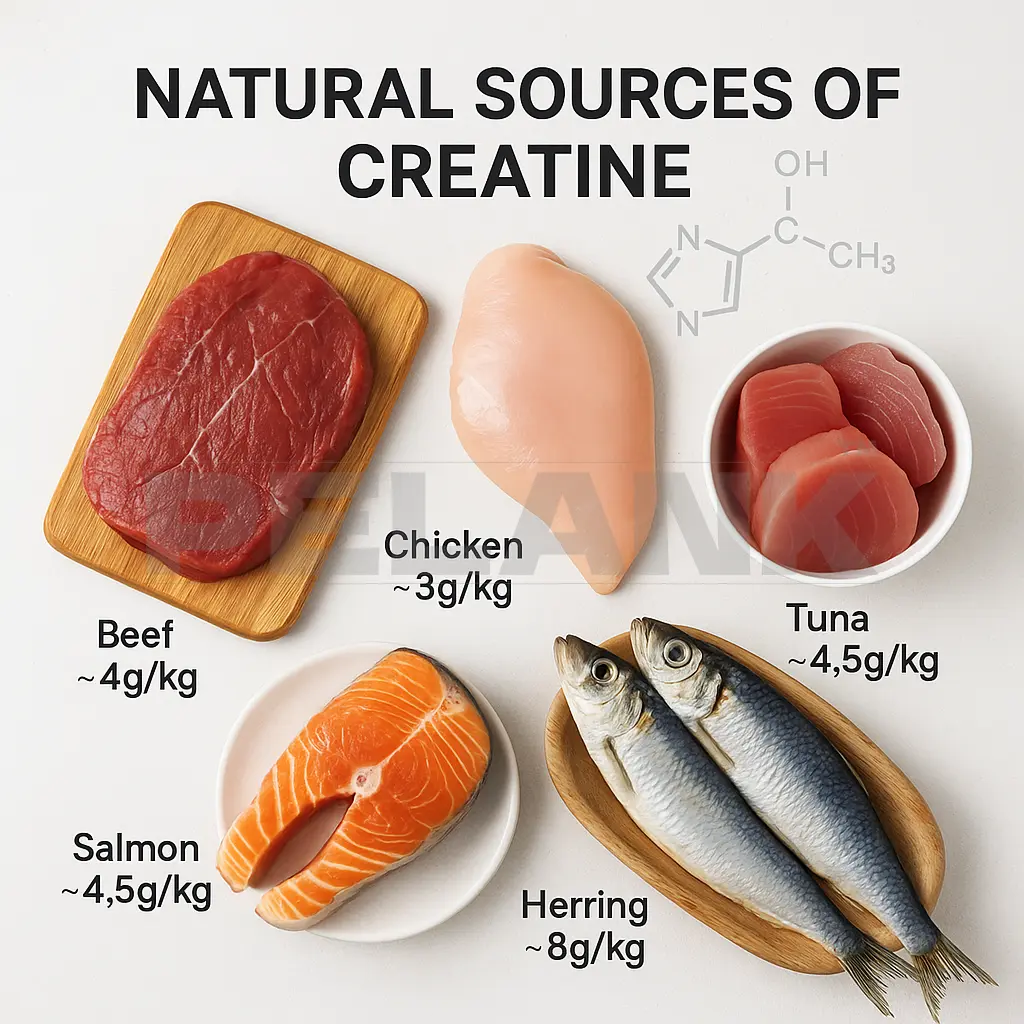
✅ Creatine Content in Various Food Sources
🔰 The values below represent the average raw creatine content per 100 g of uncooked food (cooking and heat destroy about 20–30% of it):
| Food Source | Approximate Creatine Content | Notes |
|---|---|---|
Beef (red meat) | 0.9–1.0 | Highest common dietary source; cooking reduces content by ~25%. |
Pork | 0.6–0.8 | Slightly lower than beef; good regular source. |
Chicken | 0.3–0.4 | Moderate source; lean and widely available. |
Fish (salmon, tuna, cod) | 0.4–1.0 | Varies by species; herring and salmon are richest. |
Milk / Dairy | <0.1 | Minimal amount; not a significant source. |
Plant-based foods | ~0.0 | Creatine is virtually absent; vegetarians/vegans benefit more from supplementation. |
📌 Note: To obtain roughly 5 grams of creatine (equivalent to a standard supplement dose), you would need to consume about 1 kilogram of raw red meat or fish — which is impractical and costly for most people.
✅ Difference in Creatine Intake Between Vegetarians and Meat-Eaters
🔰 Meat-eaters: On average, obtain about 1–2 grams of creatine per day from dietary sources.
🔰 Vegetarians and Vegans: Dietary intake is close to zero; the body relies solely on endogenous synthesis (~1 gram per day).
🔶 Result: Muscle creatine stores in vegetarians are typically 20–30% lower than in meat-eaters (as confirmed by muscle biopsy studies).
📚 Burke et al., J Appl Physiol 2003:
After 5 days of creatine supplementation (20 g/day), vegetarians showed a greater increase in muscle creatine (up to +40%) compared to meat-eaters (+20%).
✅ Why Vegetarians Usually Benefit More from Creatine Supplementation
🔸 Lower baseline stores: Because initial creatine levels are lower, muscle saturation through supplementation occurs faster and more noticeably.
🔸 Greater performance gains: Studies show that vegetarians experience larger increases in strength and lean muscle mass after creatine supplementation compared to meat-eaters.
🔸 Cognitive advantage: Vegetarians also have lower brain creatine levels; in cognitive studies (memory, alertness), they demonstrate stronger positive responses to supplementation.
🔸 General health: Since creatine is found almost exclusively in animal-based foods, supplementation provides a safe and effective way to restore levels without altering their ethical or philosophical diet.
🧠 Summary
Group | Natural Muscle Stores | Daily Dietary Intake | Response to Supplementation | Explanation |
|---|---|---|---|---|
Meat-eaters | High (partially saturated) | 1–2 g/day | Moderate | Muscle stores usually 80–90% saturated. |
Vegetarians | Lower (50–70%) | Nearly zero | High | Stronger response in both performance and cognition. |
🔸 Scientific Summary:
The human body can synthesize only a limited amount of creatine, but dietary intake makes a major difference.
While meat-eaters naturally maintain near-saturated muscle stores, vegetarians gain significantly more benefits from creatine supplementation, both in muscular performance and cognitive function.
Side Effects, Safety, and Facts
✅ Straight to the point: For healthy individuals, creatine monohydrate taken at standard doses (3–5 g/day) is among the safest sports supplements ever studied. Most fears stem from misconceptions or weak evidence. Details:

✅ Does Creatine Cause Hair Loss?
🔰 Origin of the Myth: A small 2009 study on rugby players reported a temporary rise in DHT levels after a creatine loading phase; hair loss was never measured, and the study was never replicated or strongly confirmed.
✔️ To date, there is no high-quality human evidence showing that creatine increases hair loss.
🔶 Scientific Reality: Androgenic (pattern) hair loss is mainly genetic and hormonal. If you’re predisposed, various lifestyle factors may make hair shedding seem more noticeable — but creatine itself is not a proven cause.
🟢 Conclusion: There is no confirmed causal link between creatine and baldness.
✅ Does Creatine Harm the Kidneys or Liver?
✔️ In healthy individuals using standard doses, both short- and long-term studies have shown no kidney or liver damage.
✔️ Lab note: Creatine naturally converts to creatinine in the body, so serum creatinine may rise slightly — this does not indicate kidney injury. For a more accurate assessment, use eGFR (preferably Cystatin-C–based).
🔰 Who should be cautious or avoid use?
❌ Those with known kidney disease, a history of recurrent kidney stones, or taking nephrotoxic drugs (certain NSAIDs in high doses, some antibiotics, lithium, CNIs, etc.).
❌ Cases of severe dehydration, active vomiting/diarrhea, or heavy sweating without proper fluid replacement.
🟢 Summary: No issues are reported in healthy individuals; if you have kidney disease or take specific medications, consult your physician before use.
✅ Subcutaneous vs. Intramuscular Water Retention
🔰 Fact: The 0.5–2 kg weight gain seen early in creatine use comes mainly from intracellular water — water drawn into muscle cells. This supports performance and hypertrophy, not subcutaneous “puffiness.”
🔷 If you feel bloated:
✔️ Use a micronized form, split the dose (e.g., 2 × 2.5 g), take with plenty of water and with meals.
✔️ Loading isn’t necessary — taking 3–5 g daily without a loading phase will still achieve full saturation.
✅ Long-Term Use: Safety Evidence
✔️ Studies lasting 1–5 years with a maintenance dose of 3–5 g/day in both athletic and non-athletic populations have shown no adverse effects; liver and kidney lab values remain stable.
🔰 Practical Guidelines for Chronic Use:
1️⃣ Stay well hydrated, especially in hot conditions or with heavy sweating.
2️⃣ If you undergo routine blood tests, inform your doctor that you’re taking creatine so creatinine results are interpreted correctly.
3️⃣ In cases of acute illness (high fever, gastroenteritis, dehydration), pause supplementation temporarily and resume once recovered.
✅ Special Populations
Adolescents, Women, Kidney Patients
👦🏻 Adolescents:
✔️ After puberty onset and under supervision by a coach or physician, creatine use alongside structured resistance training is safe and beneficial.
✔️ Recommended dose: 0.03 g/kg/day (≈2–5 g).
✔️ Loading phase not recommended.
👩🏻🦰 Women:
✔️ Safe and effective — even in cases of relative energy deficiency (RED-S) or during peri-/postmenopause, it can help maintain strength and lean mass.
✔️ 3 g/day is sufficient for most women.
🤰🏻 Pregnancy/Breastfeeding:
❌ Lacking strong human data → not recommended unless specifically advised by a doctor.
🤒 Kidney/Liver Patients:
❌ In kidney disease or with a history of recurrent kidney stones, avoid use or only take under direct medical supervision.
❌ In active liver disease, medical management takes priority — delay creatine use.
💊 Medications and Potential Interactions:
❌ Use caution with diuretics or any drugs that increase dehydration risk.
❌ High caffeine intake during the loading phase may impair training tolerance — not a safety issue, but best to separate timing.
✅ Practical Safety Checklist for Creatine Use
🔸 Daily dose: 3–5 g (or 0.03 g/kg); loading phase not required.
🔸 Form: Monohydrate Micronized (preferably Creapure® for purity).
🔸 Hydration: At least 2–3 liters of water per day (depending on body size and sweat rate).
🔸 Timing: Whenever it’s easiest to remember; slightly better around workouts or with a protein/carbohydrate meal.
🔸 Digestive discomfort? Split the dose, take with food, or reduce to 3 g/day.
🔸 Warning signs: Flank pain, dark urine, unusual swelling, or persistent nausea → pause use and seek medical evaluation.
✅ Very Brief Summary
✔️ Hair loss: No convincing evidence against creatine.
✔️ Kidney/Liver: Safe at standard doses in healthy individuals; consult a doctor if you have medical conditions or take specific drugs.
✔️ Water weight: Mostly intramuscular, beneficial for performance.
✔️ Long-term use: Human studies show it’s safe.
✔️ Special populations: Usable under the above conditions; not recommended during pregnancy or breastfeeding unless prescribed by a doctor.
How to Choose and Buy Creatine
✅ In the sports supplement market, there are dozens of brands with various claims, but the truth is simple: effective creatine is pure, high-quality, and lab-tested creatine.
The right choice is made not based on marketing, but on purity, manufacturing source, and brand credibility.
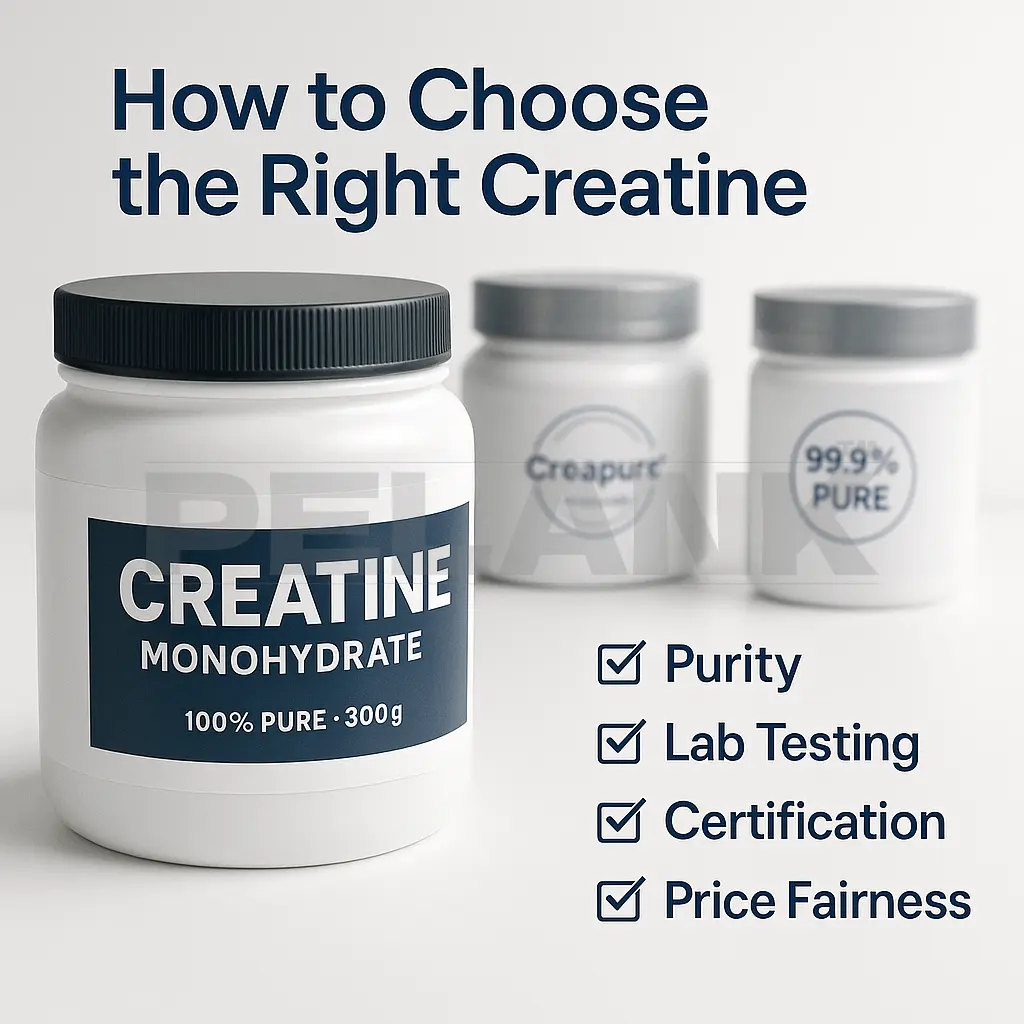
✅ Key Factors When Buying Creatine
1️⃣ Type of Creatine: Only “Creatine Monohydrate”
✔️ It’s the form with the strongest scientific evidence and proven effectiveness.
✔️ Avoid “fancy” versions marketed as superior (HCL, nitrate, ethyl ester).
2️⃣ Purity
The label should clearly state:
✔️ 100% Pure Creatine Monohydrate
✔️ No additives, sugar, coloring, or vague “Proprietary Blends.”
✔️ The powder should be uniform, white, and free of chemical odor.
3️⃣ Manufacturing Source and Quality Standard
The best grade worldwide:
✅ Creapure® (Made in Germany by AlzChem)
✔️ Certified purity above 99.9%
✔️ Free of contaminants (heavy metals, DCD, DHT, or high creatinine)
✔️ Tested in GMP and ISO-certified facilities
✔️ If the packaging says “Contains Creapure®” or “Made in Germany” with the official logo, it’s authentic.
4️⃣ Transparency of Ingredients and Certifications
Look for labels such as:
✔️ GMP Certified
✔️ Lab-Tested for Purity
✔️ Informed-Sport / NSF Certified for Sport (for competitive athletes)
✔️ Avoid any product with an unclear “blend” or missing exact creatine content.
5️⃣ Reasonable Price and Trusted Source
✔️ Very cheap products often indicate fakes or diluted powders.
✔️ Buy only from official stores or authorized brand distributors.
✅ How to Tell Fake Creatine from Genuine Creatine
✅ Signs of a Genuine Product:
✔️ Fine, uniform white powder with no strong odor and no bitter or metallic taste.
✔️ Does not fully dissolve in warm or hot water — leaves a soft, fine sediment (normal for monohydrate).
✔️ Has production and expiration dates, batch number, and an official barcode.
✔️ Seal intact, with no powder leakage.
✔️ For Creapure®, the black-and-yellow Creapure® logo must be printed or holographed on the packaging.
🚫 Signs of a Fake Product:
✔️ Powder feels chalky and too light, or the opposite — grainy and heavy.
✔️ Unnatural flavor — sweet, chemical, or artificially scented.
✔️ Low-quality packaging or spelling mistakes on the label.
✔️ Suspiciously low price or sold via unofficial social media pages.
📦 Simple Test Tip:
Pour some creatine into a glass of water:
✔️ Real creatine will slightly settle at the bottom, with no taste or smell.
✔️ If it fully dissolves or foams, it’s likely impure or tampered.
✅ Top Global Brands
Authentic and Scientifically Approved
✅ Brand | Country | Key Feature |
|---|---|---|
Optimum Nutrition (ON) | USA | Micronized Creapure, NSF Tested |
MyProtein Creapure® | UK | Affordable Price, German Quality |
Kaged Creatine HCL / Monohydrate | USA | Creapure Ingredients, High Quality |
Thorne Creatine | USA | NSF Certified for Sport, Ideal for Professional Athletes |
MuscleTech Platinum Creatine | USA | Globally Available, Consistent Quality |
NutraBio Creatine Monohydrate | USA | 99.9% Guaranteed Purity, Independently Lab-Tested |
AllMax Nutrition Creatine Monohydrate | Canada | High Purity, Trusted by Fitness Coaches |
ESN Ultrapure Creatine (Creapure) | Germany | Directly Produced by AlzChem Creapure® |
🧠 Quick Summary:
✔️ Always buy pure “Monohydrate.”
✔️ If you see Creapure®, go for it.
✔️ Pay attention to packaging, smell, and source.
✔️ A higher price doesn’t always mean better — pure, reputable creatine (not hype-based) is the real key to results.
Creatine Combined with Training & Nutrition
✅ Goal of this Section: To give you a practical roadmap so you’ll know exactly when, how, and with what to take creatine in order to achieve real results in every phase of your training program.
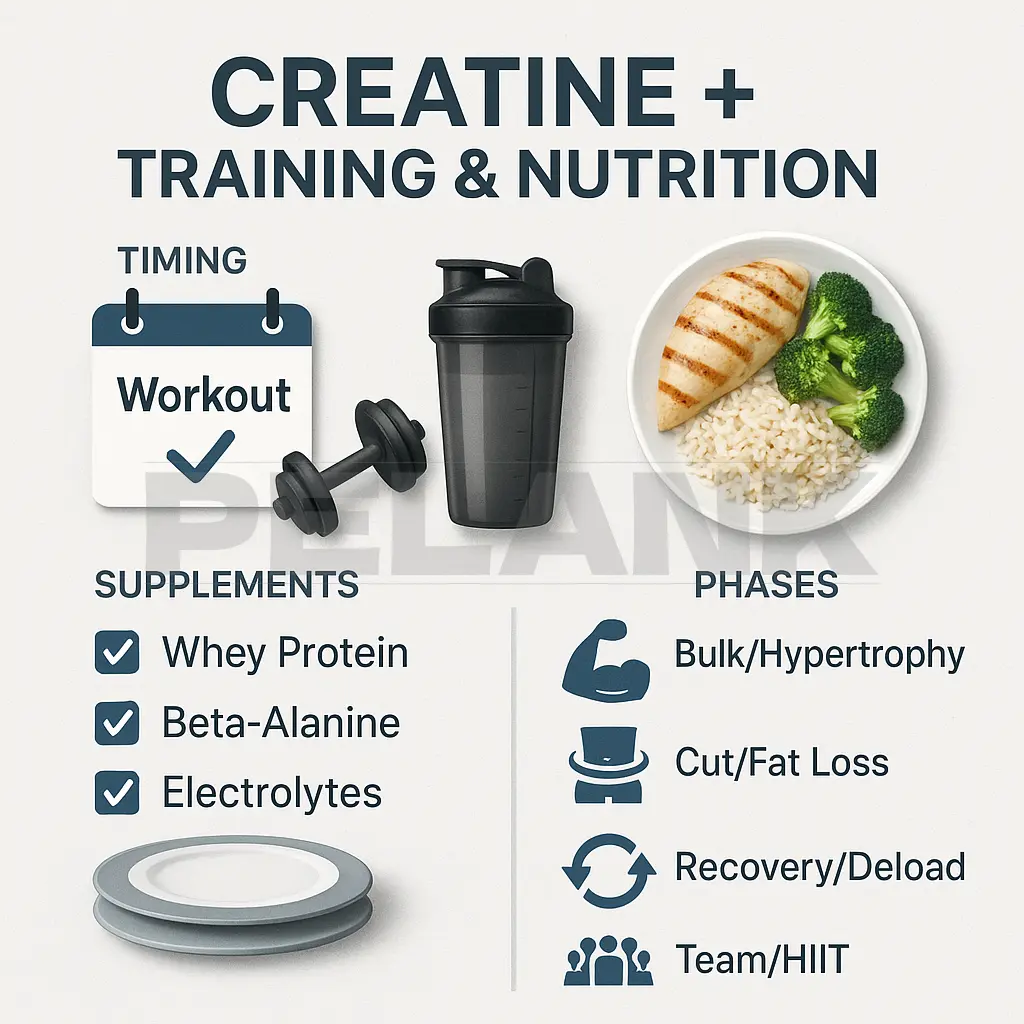
✅ How to incorporate creatine into your bodybuilding program
🏅 Golden Rule: Daily consistency matters more than perfect timing.
🟩 Simple & Effective Protocol (for all levels):
✔️ Dose: 3–5 g of micronized creatine monohydrate every day.
✔️ Timing: Around your workout is ideal (especially post-workout with whey protein + some carbs), but if it bothers you, take it whenever you remember.
✔️ Rest Days: Same dose, taken with one of your main meals.
✔️ Water & Sodium: Drink 2–3 liters of water daily and make sure you’re not low on sodium (especially if you sweat a lot).
✔️ For sensitive stomachs:
Split into 2 × 2.5 g doses (morning + post-workout or dinner), each with 250–350 ml of water.
✅ Creatine in Different Phases
1️⃣ Hypertrophy / Bulking Phase
🔸 Goal: Maximize training volume and protein synthesis.
🔸 Creatine: 5 g/day, post-workout with a shake containing 25–30 g whey protein + 40–80 g carbs + a bit of sodium.
🔸 Nutrition: Controlled calorie surplus (+8–12% above maintenance), 1.6–2.2 g/kg protein.
🔸 Training: 10–20 effective sets per muscle per week, RIR 0–2 on final sets.
🔸 Why it works: Creatine → higher repeat-effort power → more training volume → more growth.
2️⃣ Cutting / Fat-Loss Phase
🔸 Goal: Maintain strength and lean mass during a calorie deficit.
🔸 Creatine: 3–5 g/day consistently; take near workouts for better performance.
🔸 Nutrition: 10–20% calorie deficit, 2.0–2.4 g/kg protein, adequate fiber and electrolytes.
🔸 Training: Maintain strength (reduce volume, keep intensity). Short HIIT if needed.
🔸 Worried about weight? The 0.5–1.5 kg gain is intracellular water, not fat.
3️⃣ Recovery / Deload or High-Stress Phase
🔸 Creatine: Keep taking it — it supports ATP and glycogen restoration.
🔸 Timing: Evening or with a light carb meal for better sleep (especially if you consume caffeine in the morning).
4️⃣ Team Sports / HIIT / Power–Speed Athletes
🔸 Timing: Around training (before or after) with enough fluids and sodium.
🔸 Useful combo: Creatine + Beta-Alanine (for lactate buffering) + electrolytes.
5️⃣ For Women / Lightweight Individuals
🔸 Target Dose: 3 g/day is usually enough; no need to stop during the menstrual cycle.
✅ Stacks & Combinations with Other Supplements
1️⃣ Creatine + Whey Protein (Simple & Effective Base)
🔸 When: Post-workout.
🔸 Why: Enhances recovery, activates mTOR signaling, improves creatine uptake (via sodium/insulin).
🔸 Quick Formula: 25–30 g whey + 30–60 g carbs + 5 g creatine.
2️⃣ Creatine + Beta-Alanine
🔸 Beta-Alanine Dose: 3.2–6.4 g/day (split doses to reduce tingling).
🔸 Use Case: Efforts lasting 30 seconds to 3 minutes (WOD, HIIT, combat sports).
🔸 Synergy: Creatine (power for 0–10 seconds) + Beta-Alanine (buffers fatigue longer).
3️⃣ Creatine + Pre-Workout
🔸 Most pre-workouts contain caffeine and pump ingredients; if creatine content is low or unclear, keep taking your own separate creatine.
🔸 High caffeine may reduce creatine tolerance in some people; if it makes you feel off, move your creatine dose to post-workout or evening.
4️⃣ BCAAs
🔸 If your daily protein intake is ≥1.6 g/kg or you already take whey, BCAAs add no real benefit.
🔸 During long fasting or fasted training: EAAs (if desired) are better than BCAAs — still optional, not essential.
5️⃣ Creatine + Carbs/Electrolytes
🔸 A bit of carbs + sodium enhances muscle creatine uptake (via Na⁺/CreaT1).
🔸 In heat or heavy sweating: keep a carb–electrolyte drink around your workout.
6️⃣ What You Don’t Need
🔸 Fancy creatine forms (HCL, Kre-Alkalyn, etc.) have no meaningful performance advantage.
🔸 “Proprietary blends” with undisclosed dosages — skip them.
✅ Sample Daily Plan
Actionable
🔰 Training Day (Strength/Hypertrophy)
🔸 Morning: Water + light electrolytes.
🔸 Pre-Workout (optional): 150–250 mg caffeine + small dose of sodium citrate.
🔸 Post-Workout: 25–30 g whey + 40–60 g carbs + 5 g creatine.
🔸 Dinner: Complete protein + vegetables + plenty of water.
🔰 Rest Day
🔸 Lunch or Dinner: 3–5 g creatine + a protein-rich meal; go for a light walk or relax; get 7–9 hours of sleep.
🧠 Pelank Quick Checklist
🔲 Type: Monohydrate Micronized (preferably Creapure).
🔲 Dose: 3–5 g/day (women/lightweight: 3 g).
🔲 Timing: Post-workout or any consistent daily time.
🔲 Hydration: 2–3 liters of water/day (more in heat or during HIIT).
🔲 Useful Stack: Whey + carbohydrates, beta-alanine for HIIT.
🔲 Unnecessary: BCAAs (if protein intake is sufficient), flashy creatine “formulas.”
🔲 Monitor: Training performance, intracellular water weight, digestion.
Frequently Asked Questions
FAQ
✔️ About 70–80% of people respond very well.
✔️ Around 20% are “non-responders,” meaning their muscle creatine stores are already near saturation (e.g., heavy meat eaters).
✔️ Even in these cases, some recovery and cognitive benefits may still occur.
Water temperature doesn’t really matter — just make sure it’s fully dissolved so it doesn’t settle at the bottom.
If you have a sensitive stomach, take it with lukewarm water or along with a meal.
❌ No. The slight weight increase comes from intramuscular water retention, not fat.
Creatine doesn’t slow your metabolism and contains zero calories.
It’s completely safe and beneficial even during a fat-loss phase.
❌ Not directly.
Creatine doesn’t alter androgen or hormone levels.
If you experience acne, it’s usually related to your diet, stress, or flavored protein supplements — not creatine itself.
✔️ Yes.
The goal of creatine is muscle saturation, not an instant effect.
So even on rest days, take 3–5 g to keep your muscle levels stable.
✔️ Yes, it’s safe to combine them.
However, in some people, high caffeine doses may slightly reduce creatine’s performance or hydration benefits.
If you’re sensitive, separate the timing — for example, have coffee before training and creatine after training.
With a loading phase: 5–7 days
Without loading (3–5 g/day): about 3–4 weeks
The performance benefits build up gradually, not instantly.
Both are effective, but research suggests post-workout may be slightly better due to improved absorption with protein and insulin response.
However, consistent daily use matters far more than exact timing.
❌ No, it’s not necessary.
A bit of carbohydrates can slightly improve absorption, but the effect is minor.
Taking creatine with a meal or a protein shake is perfectly sufficient.
✔️ Yes, there’s no problem at all.
Just note that it may dissolve less easily in cold milk, so stir it well.
If you’re lactose intolerant, take it with water instead.
❌ No. There’s no scientific need for cycling. You can safely take 3–5 g/day continuously.
If you prefer to take a 1–2 week break every few months, that’s purely personal choice — not a scientific requirement.
✔️ No problem — don’t double the dose.
Just continue with your regular 3–5 g the next day.
Long-term consistency matters more than short-term compensation.
✔️ Creatine is a natural energy compound that doesn’t alter hormone levels — it’s legal and safe.
✔️ Anabolic steroids are hormonal substances with serious side effects and are banned in professional sports.
✔️ Creatine ≠ Steroid — creatine boosts PCr/ATP energy, not hormonal pathways.
✔️ Yes. It’s both safe and effective — helps improve strength, repeat endurance, and maintain lean mass.
✔️ Typical dose for most women: 3 g/day (or about 0.03 g/kg).
❌ Pregnancy/Breastfeeding: Not enough data — avoid unless prescribed by a doctor.
✔️ Fasting: Yes — take it during eating hours (iftar/suhoor) with plenty of water, ideally alongside protein or carbs for better uptake.
✔️ Keto Diet: Absolutely — it’s carb-neutral; take it with a protein- or salt-containing meal to enhance absorption.
✔️ Key Point: Maintain daily consistency; timing around workouts matters less than regular use.
For athletic teens following a structured training program under coach or specialist supervision, creatine at 0.03 g/kg/day (about 2–5 g) has been shown to be safe and beneficial.
It’s not recommended for those without regular training or with any kidney-related conditions.
No — in fact, some evidence shows creatine may reduce cramps by improving intracellular hydration.
Cramps are usually caused by low sodium, potassium, or magnesium, not creatine.
Whey protein: improved growth and recovery
Beta-alanine: increased training tolerance
Carbohydrates: enhanced uptake
Electrolytes: better hydration
Caffeine: compatible, but preferably time it separately
Key Research & Scientific References
Scientific References
✅ Creatine is one of the few supplements whose effectiveness has been repeatedly and independently confirmed in extensive human studies.
Unlike many bodybuilding supplements backed mainly by marketing, creatine stands out as one of the most research-supported ergogenic aids in sports science history.
Below is an overview of trusted global sources (ISSN, NSCA, PubMed, NIH) and several key scientific papers on creatine’s efficacy and safety.
✅ Review of Primary and Authoritative Sources
Organization / Source | Type of Evidence | Key Takeaway |
|---|---|---|
ISSN – International Society of Sports Nutrition (2017 Position Stand) | Official Position Statement | Creatine monohydrate is the most effective supplement for improving strength, muscle size, and recovery; long-term use is safe in healthy individuals. |
Practical Review & Guidelines | Daily intake of 3–5 g as a standard supplement is safe and consistently effective for both professional and beginner athletes. | |
NIH (National Institutes of Health, Office of Dietary Supplements) | Scientific Overview | Lists creatine among the few supplements with strong scientific evidence supporting exercise performance. |
Meta-Analysis & Systematic Review | Over 1,000 human studies confirm creatine’s effects on muscular, cognitive, and metabolic performance. |
✅ Summary of Key Scientific Papers
Pubmed
✔️ A comprehensive review of over 20 years of research.
Conclusion: Creatine monohydrate is “the most effective ergogenic supplement for improving strength, power, muscle size, and recovery.”
✔️ Systematic review of human studies.
Conclusion: Creatine supplementation leads to a 5–15% increase in strength and muscle mass.
✔️ Study on trained men: Combining creatine with resistance training resulted in a significant increase in lean body mass.
✔️ Improved performance in repeated high-intensity exercises and total training volume.
✔️ Creatine plays a role in enhancing working memory and mental alertness.
Highlighted Research Summaries
1️⃣ Gualano B et al., Med Sci Sports Exerc, 2008
🔹 In patients with type 2 diabetes, creatine plus exercise improved insulin sensitivity.
🔗 PubMed
2️⃣ Chrusch MJ et al., Med Sci Sports Exerc, 2001
🔹 In older adults, resistance training combined with creatine significantly increased muscle strength and mass without adverse effects.
🔗 PubMed
3️⃣ McMorris T et al., Psychopharmacology, 2007
🔹 Creatine improved cognitive function and reaction time during sleep deprivation.
🔗 PubMed
4️⃣ Candow DG et al., J Strength Cond Res, 2014
🔹 In both men and women, creatine directly increased type II muscle fiber cross-sectional area.
🔗 PubMed
5️⃣ Avgerinos KI et al., Front Aging Neurosci, 2018
🔹 A scientific review highlighting creatine’s neuroprotective effects and potential benefits for Parkinson’s and Alzheimer’s disease.
🔗 PubMed
✅ Scientific Summary
Over 1,000 human studies on creatine have been published in PubMed.
Major scientific organizations agree:
High effectiveness for both muscular and cognitive performance.
Long-term safety in healthy individuals.
Creatine monohydrate remains the scientifically superior and most validated form.
📊 On the hierarchy of scientific evidence for supplements, creatine ranks A+ — the strongest level of proof.
Pelank Life | Body Health Assessment
The Best Body Health Calculators Using Scientific Methods
Developed by Pelank Life ©

Mohsen Taheri
November 28, 2025
