


BMI Calculator (BODY MASS INDEX)
Pelank Life ©
Body Mass Index (BMI) is a simple and scientific measure used to assess body weight status. It helps determine whether an individual is underweight, healthy, overweight, or obese. To calculate BMI, simply enter your weight in kilograms and your height in meters.
The BMI categories are as follows :
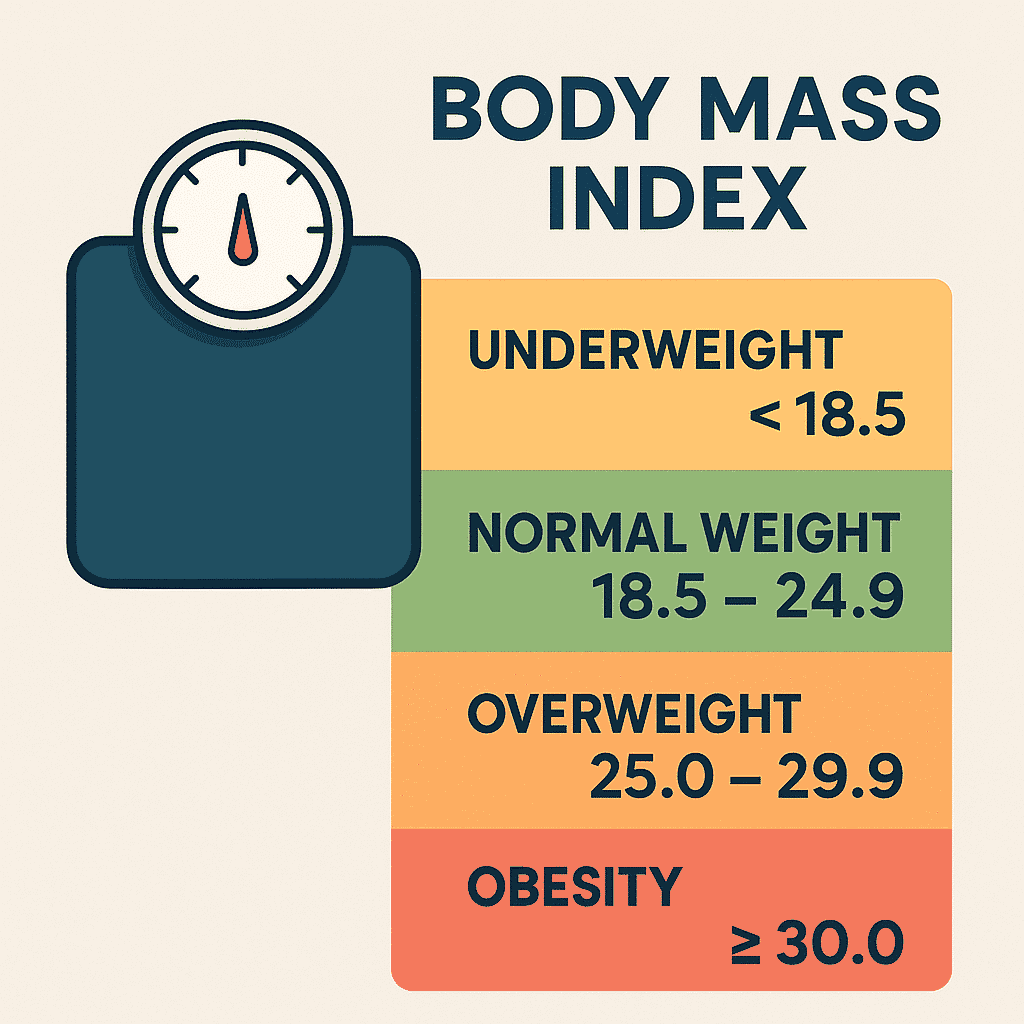
Less than 18.5 : Underweight
18.5 to 24.9 : Healthy (Normal) Weight
25 to 29.9 : Overweight
30 to 34.9 : Obesity Class 1 (Mild)
35 to 39.9 : Obesity Class 2 (Moderate)
40 and above : Obesity Class 3 (Severe)
On the following page, you can read a comprehensive article about BMI, including its benefits, limitations, and complementary tools.
BMI (Body Mass Index) Calculator
The most advanced and scientific BMI calculator
Pelank Life | Body Health Assessment
The Best Body Health Calculators Using Scientific Methods
Developed by Pelank Life ©
What is BMI?
✅ What is BMI, or Body Mass Index?
🧮 BMI stands for Body Mass Index, a simple numerical value widely used around the world.
✨ This index gives you a quick, standardized way to understand whether your weight is appropriate for your height — meaning it shows whether you're underweight, at a normal weight, overweight, or in the obese range.
✔️ BMI is one of the most commonly used tools in medicine, nutrition, sports science, workplace health assessments, and even military evaluations because it’s extremely quick to calculate and provides an initial, general overview of weight status.
✅ Scientific Definition of BMI
From a scientific standpoint, BMI is a statistical index calculated by dividing body weight (in kilograms) by height (in meters squared).
This index is derived from large-scale global population data and shows, on average, that as body weight increases relative to height, the risk of developing metabolic diseases also rises.
In more technical terms:
BMI is an epidemiological indicator used to estimate the risk of obesity and its related health outcomes.
😌 Simple Definition of BMI for Everyone
If we want to explain it very simply:
BMI is just a number that tells you whether your weight is appropriate for your height or not.
For example:
If your BMI is 22, it means your weight is normal and healthy.
If it’s 30, it means you’re in the obesity range.
That’s it! 👌🔥
🧮 BMI Formula
The classic BMI formula is:
BMI = Weight (kg) ÷ Height² (m × m)
📌 Example:
If your weight is 70 kg and your height is 1.75 m:
BMI = 70 ÷ (1.75 × 1.75)
BMI = 22.8
This means you fall within the normal weight range.
📊 What Does BMI Show?
BMI essentially indicates the following:
✔️ 1. The proportionality of your weight relative to your height
This is the primary purpose of BMI.
It shows whether your weight-to-height ratio is considered normal based on global standards.
✔️ 2. The likelihood of being overweight or obese
When BMI is high, it generally suggests higher body fat and a greater risk of metabolic diseases.
✔️ 3. Potential disease risk
A high or low BMI can signal an increased risk of:
- Heart disease ❤️🩹
- Type 2 diabetes
- High blood pressure
- Fatty liver
- Underweight-related issues like weakened immunity (in low BMI)
✔️ 4. A comparative tool across individuals and populations
In large population-health studies, BMI serves as a standardized indicator for comparing people, countries, and age groups.
❌ What BMI Does Not Show ?
❌ 1. It does NOT show body fat percentage (Body Fat%)
Two people with the same BMI can have completely different body fat levels.
❌ 2. It does NOT distinguish between muscle and fat
A professional bodybuilder full of muscle may have a high BMI,
but is not overweight at all. 💪🔥
❌ 3. It does NOT show where fat is stored
BMI doesn’t tell you whether fat is stored in the:
- Abdomen
- Hips
- Sides
- Or as dangerous visceral fat
These are measured by WHR, tape measurements, or Body Fat%.
❌ 4. It is NOT fully accurate for everyone
BMI can be misleading for:
- Bodybuilders
- Very muscular individuals
- Children and teens
- Older adults
- Pregnant women
- People with different skeletal structures
So it should be interpreted alongside other indicators.
❌ 5. It does NOT reflect a person’s real overall health
BMI is just a number. It tells you nothing about:
- Diet
- Physical activity
- Metabolism
- Sleep quality
- Blood pressure
- Stress levels
How to Calculate BMI?
Formula, Examples, and Unit Conversions
🧮 To calculate BMI, you only need two variables: weight and height. This index is based on the ratio of weight to height and provides a quick picture of your weight status. Height must always be written in meters, and weight in kilograms, because the standard WHO formula is designed using these units.
✨ After entering these two numbers, a simple calculation reveals whether you fall within the healthy weight range or not.
✅ Mathematical Formula for BMI
🧮 The main global BMI formula is very simple and includes only one squared term for height.
📐 The standard version of the formula is as follows:
BMI = \frac{weight,(kg)}{height^2,(m^2)}
✨ The final value has no unit — it’s simply a comparative index.
📘 Numerical Example (Male & Female)
👩 Example for a woman:
🟡 Let’s assume her weight is 60 kg and her height is 1.65 m.
📊 Now we calculate the BMI:
BMI = \frac{60}{1.65^2} = 22.0
✨ This value indicates that she is within the normal weight range.
👨 Example for a man:
🟢 Let’s assume his weight is 82 kg and his height is 1.80 m.
📊 The BMI calculation in this case:
BMI = \frac{82}{1.80^2} = 25.3
✨ This value falls within the mild overweight range.
🔄 Unit Conversions
🔢 Each 1 pound (lbs) is equal to 0.4536 kilograms.
kg = lbs \times 0.4536
✨ Example: 150 lbs is equal to 68 kg.
📐 Height Conversion: ft + in → cm → m
📏 To convert feet and inches to centimeters:
cm = (feet \times 30.48) + (inches \times 2.54)
🔁 And then converting centimeters to meters:
m = \frac{cm}{100}
✨ After this step, the height is ready to be used in the main BMI formula.
🎯 BMI Formula for the U.S. Customary System
Without Manual Conversion
📌 To calculate BMI directly using pounds (lbs) and inches (in), the following formula is used:
BMI = \frac{703 \times weight,(lbs)}{height^2,(in^2)}
✨ The number 703 acts as a unit conversion factor so the result matches the metric system.
WHO Standard BMI Classification Table
📊 The World Health Organization (WHO) provides clear, global BMI classifications that allow us to accurately interpret a person’s weight status. These categories were developed using millions of population-based data points and are still considered the most reliable international standard for initial weight assessment.
✨ Below you can see the official BMI ranges along with full explanations.
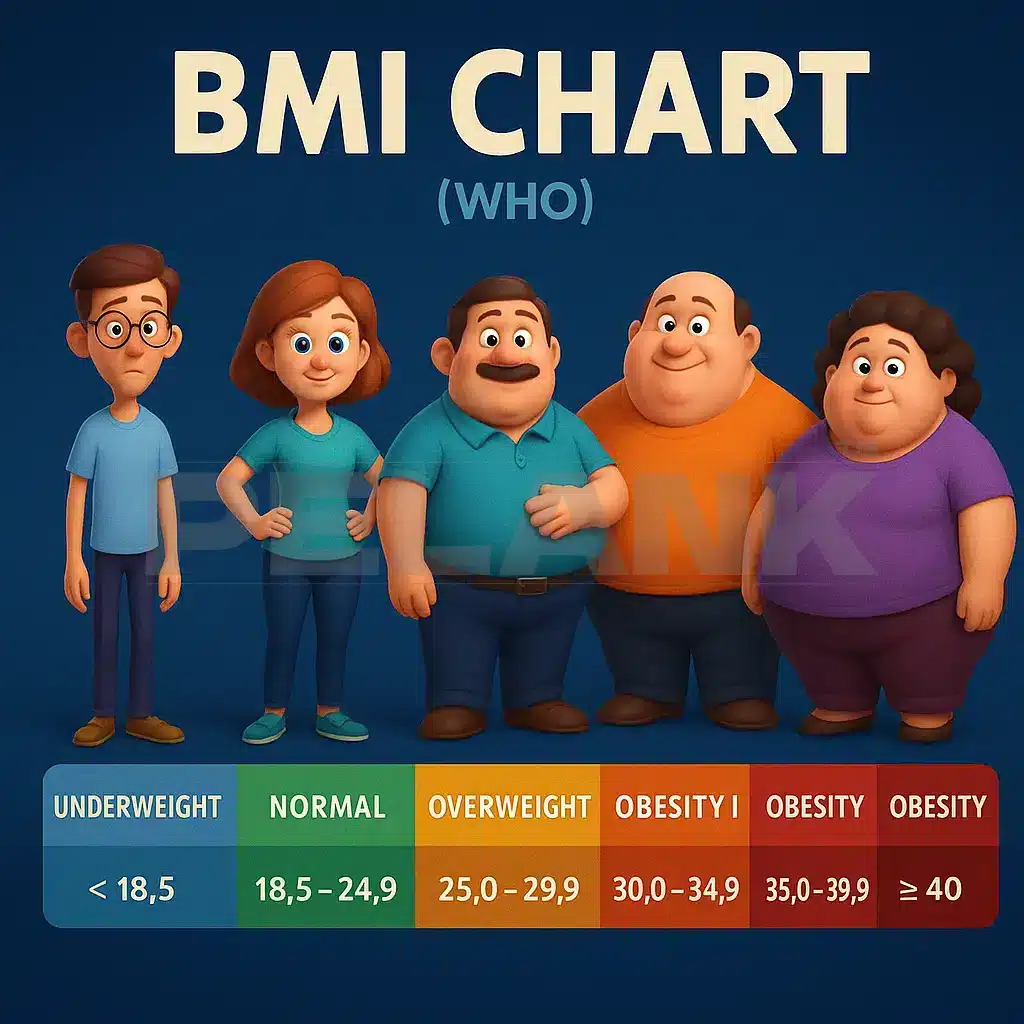
✅ BMI Classification Table for Adults (WHO Standard)
📘 This table applies to all individuals over 18 years old and serves as the foundation for medical and nutritional interpretations.
BMI Range | Body Weight Status |
|---|---|
Less than 18.5 | 🟦 Underweight |
18.5 to 24.9 | 🟩 Normal Weight |
25 to 29.9 | 🟨 Overweight |
30 to 34.9 | 🟧 Obesity Class 1 (Mild) |
35 to 39.9 | 🟥 Obesity Class 2 (Moderate) |
40 and above | 🟫 Severe Obesity (Obesity Class 3) |
📌 As BMI moves into higher obesity categories, the likelihood of heart disease, diabetes, high blood pressure, and metabolic problems increases. This table is accurate for the general population, but for very muscular athletes it should be interpreted alongside additional indicators.
👶 Difference Between Adult and Child BMI Classifications
👧 In children and teenagers (ages 2 to 19), the BMI standard is completely different and does not use fixed numbers like adults. In this age group, BMI is evaluated based on percentile charts, meaning the child’s BMI is compared with children of the same age and sex.
🧠 Due to differences in growth patterns, hormones, puberty, and rapid physical changes, using the adult BMI chart for children is completely incorrect and non-scientific.
🧩 BMI Classification for Children and Adolescents
BMI Percentile | Body Status |
|---|---|
Below the 5th percentile | 🟦 Underweight |
5th to 85th percentile | 🟩 Healthy weight |
85th to 95th percentile | 🟨 At risk of overweight |
Above the 95th percentile | 🟥 Overweight or obesity |
✨ In this case, the BMI number itself is not what matters — its position on the growth chart is what’s important.
Therefore, for children, you must always use the age- and sex-specific BMI chart.
📝 Quick Summary
📌 Adults → Fixed global WHO categories
📌 Children → Evaluated using percentiles (WHO/CDC growth charts)
📌 Muscular athletes → Require complementary indicators like Body Fat%
BMI for Women vs. Men
Physiological Differences + Same Interpretation, Different Outcomes
👩🧑 The BMI formula is technically the same for both women and men, but its interpretation isn’t always identical. This is because there are important physiological differences between female and male bodies — differences in body composition, fat distribution, hormones, and even skeletal structure.
As a result, a woman and a man with the same BMI may have very different health statuses, body fat levels, and disease risks.
✨ Below are the most important differences.
👩⚕️ Physiological Differences Between Women and Men
1️⃣ Natural Body Fat Percentage
💛 Women naturally have a higher body fat percentage than men — even when both are at a healthy weight.
🧬 This difference is influenced by factors such as sex hormones (especially estrogen), the menstrual cycle, pregnancy, and the body’s need for greater energy storage.
📌 Therefore, a “normal” BMI in women does not necessarily correspond to the same body fat level as in men.
2️⃣ Greater Muscle Mass in Men
💪 Men, on average, have higher muscle mass and lower body fat compared to women.
🔥 This means a BMI of, for example, 26 may be driven more by muscle in a man, but more by fat in a woman.
3️⃣ Different Fat Distribution
🍑 Women store more fat in the hips, thighs, and glutes (gynoid pattern).
🍩 Men store more fat in the abdominal and waist area (android pattern).
⚠️ Abdominal fat in men carries higher metabolic risk, even when BMI is the same.
4️⃣ Bone Density & Body Structure
🦴 Men typically have higher bone density.
📏 This naturally increases total body weight — and therefore BMI — even when other conditions are similar.
5️⃣ Differences in Hormonal & Metabolic Requirements
⚙️ Men generally have a higher basal metabolic rate (BMR).
This means that at the same BMI, a man may lose weight more easily, while a woman may experience slower changes due to hormonal and metabolic factors.
🤝 Why can the same BMI have different interpretations?
1️⃣ Body fat levels are not the same
📌 Women have more body fat at the same BMI.
📌 Men have more muscle at the same BMI.
👉 Therefore:
BMI 25 in a woman = likely higher body fat
BMI 25 in a man = likely more muscle or lean mass
2️⃣ Fat distribution carries different risks
⚠️ Abdominal fat (men) = higher risk
💛 Hip/thigh fat (women) = lower risk
So two people may have the same BMI but completely different disease risks.
3️⃣ Fitness goals are different
🎯 A woman with a BMI of 24 may still want to reduce abdominal fat.
🎯 A man with a BMI of 24 is typically in the ideal fitness range.
4️⃣ Difference in athletic interpretation
🏋️ Men with a high BMI but lots of muscle are usually not considered overweight.
🏋️ Women, who generally gain muscle more slowly, experience this misclassification less often — but still, BMI alone is not enough.
📝 Summary
📌 BMI uses the same formula for women and men, but the results and interpretations are not the same.
📌 Due to differences in physiology, body fat, muscle, bone structure, and fat distribution, the same BMI can have very different meanings.
📌 For a more accurate assessment, Body Fat%, waist circumference, and lifestyle factors should always be considered.
BMI in Children and Adolescents
Why is it different? + Percentile Charts + The Correct Method for Growth Assessment
👶 BMI in children and adolescents is completely different from adults, because their bodies are growing, changing, and maturing — so you cannot judge their weight status using a single fixed number.
🧬 Since children grow in stages, at uneven rates, and in patterns that depend on both age and sex, a child’s BMI must be compared with other children of the same age and sex.
For this reason, WHO and CDC use a percentile system for children, known as BMI percentiles.
👧 Why is children’s BMI different?
1️⃣ Rapid and step-wise growth
🧠 Children grow in phases; sometimes weight increases faster, and sometimes height does. This makes the weight-to-height ratio constantly change.
2️⃣ Significant differences between girls and boys
🎀 Girls enter puberty earlier and their body fat percentage increases sooner.
🧢 Boys usually mature later and gain more muscle mass during adolescence.
3️⃣ Hormonal changes and puberty
⚙️ Growth hormone, estrogen, testosterone, and thyroid hormones drastically affect metabolism and body composition.
📌 This is why the fixed adult BMI chart is never accurate for children.
4️⃣ Changes in natural body fat percentage
💛 Children naturally have a higher body fat percentage than adults, and this value changes as they age.
📈 What are Percentile Charts?
📊 In children, instead of using a fixed BMI number, the BMI is compared based on percentiles. A percentile shows where a child’s BMI stands compared to other children of the same age and sex.
BMI Percentile | Body Status |
|---|---|
Below the 5th percentile | 🟦 Underweight |
5th to 85th percentile | 🟩 Healthy weight |
85th to 95th percentile | 🟨 At risk of overweight |
Above the 95th percentile | 🟥 Overweight or obesity |
✨ This system is more accurate because it takes into account natural growth patterns, height, weight, sex, and puberty.
🧪 Accurate assessment of growth in children and adolescents
🔍 To evaluate weight status and growth in children, the following steps are recommended:
1️⃣ Accurate measurement of height and weight
📏 Height should be measured without shoes and with the child standing straight.
⚖️ Weight should be recorded while wearing light clothing.
2️⃣ Calculating the raw BMI
🧮 The raw BMI is calculated using the same formula as in adults:
BMI = weight ÷ height²
3️⃣ Plotting BMI on the growth chart
📈 The child’s BMI must be placed on the official WHO/CDC growth chart to determine the corresponding percentile.
4️⃣ Concurrent evaluation with other indicators
🧬 In addition to BMI, physicians usually assess the following:
- Waist circumference
- Growth pattern over the past 6–12 months
- Family history
- Nutrition
- Physical activity level
- Pubertal status (Tanner stage)
5️⃣ Continuous growth monitoring
🗓️ Children should be checked every few months because their growth may speed up or slow down unexpectedly.
📝 Summary
📌 Children’s BMI is assessed based on percentiles, not fixed numbers.
📌 Sex, age, puberty, and growth rate make BMI interpretation in children completely different from adults.
📌 Percentile charts are the most accurate tools for evaluating healthy weight in children and adolescents.
📌 Ongoing growth monitoring is the best way to identify potential issues early.
Benefits and uses of BMI
Assessing disease risk – monitoring weight – evaluating health – medical, athletic, and military applications
📊 BMI is one of the most widely used indicators in the world for assessing weight status and overall health because it is simple, fast, inexpensive, and surprisingly informative. Although BMI alone does not provide a complete picture of the body, it still plays a major foundational role in health assessment, disease prevention, and medical decision-making.
✨ Below, we review the most important benefits and applications of this indicator.
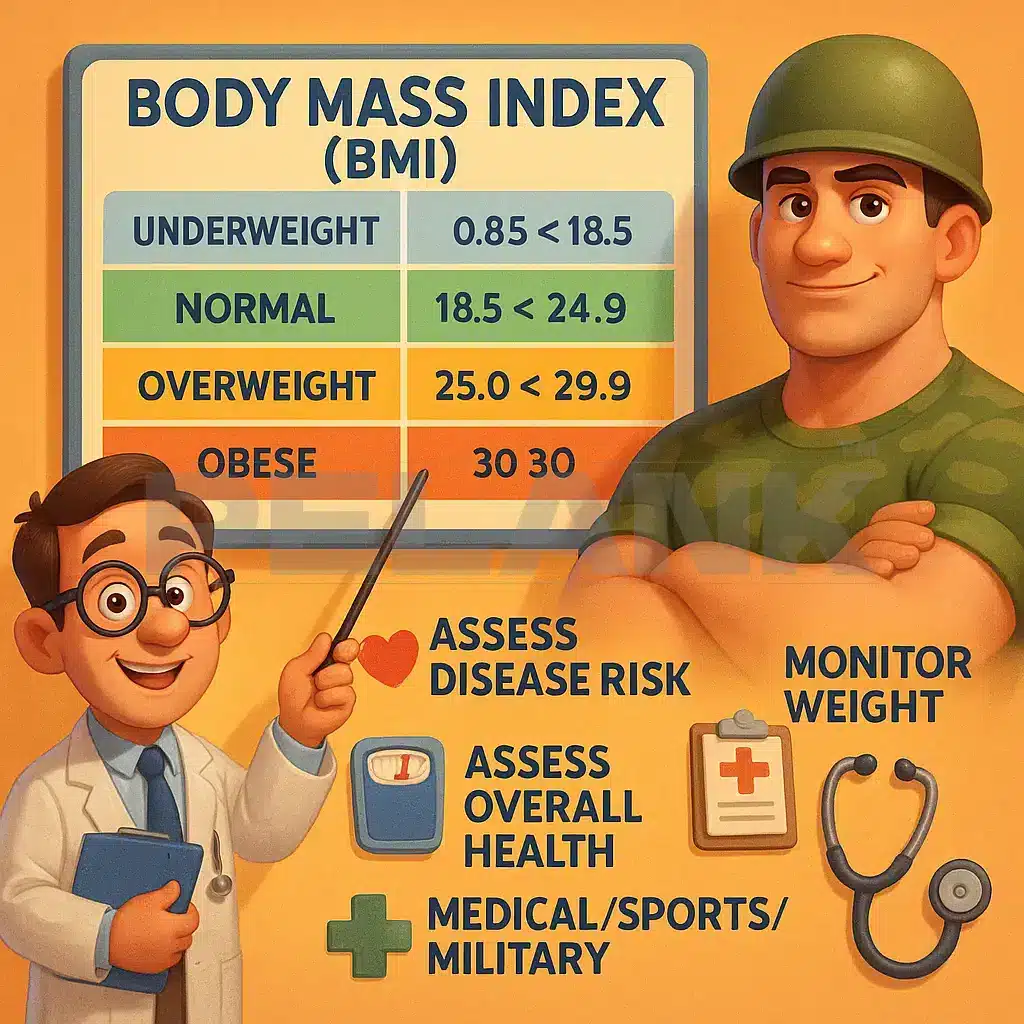
❤️ Assessing the risk of major diseases
🔍 A high or low BMI can signal an increased likelihood of various diseases, especially those linked to excess body fat. Studies show that as BMI rises, the risk of metabolic conditions increases as well.
📌 A high BMI is associated with a higher risk of:
🫀 Heart disease and atherosclerosis
🩸 Type 2 diabetes
📈 High blood pressure
🫁 Respiratory problems
🍏 Non-alcoholic fatty liver disease
🧬 Metabolic syndrome
🦵 Joint issues and knee osteoarthritis
📌 A low BMI increases the risk of:
💥 Weakened immune system
🦴 Osteoporosis
🍃 Malnutrition
😓 Loss of muscle mass and general weakness
⚖️ Monitoring weight over time
📏 BMI is an excellent tool for tracking weight trends, especially when we want to know whether our weight changes are moving in a healthy direction. Periodic BMI measurements can show whether weight is increasing, decreasing, or staying stable.
⭐ Key advantages of BMI for weight monitoring:
🔸 Sensitive to even small changes in weight
🔸 Suitable for tracking 1-month, 3-month, or 1-year trends
🔸 Extremely easy to use, even without special equipment
✨ For weight-loss or weight-gain programs, BMI is a basic but highly practical indicator.
🩺 Initial evaluation of overall health
🧪 BMI is one of the first indicators doctors use to assess a person’s general health. It helps determine whether further evaluation is needed.
🏥 In an initial assessment, BMI helps with:
🔹 Early detection of obesity or underweight
🔹 Deciding whether additional tests are necessary (blood lipids, blood sugar, thyroid tests)
🔹 Evaluating the risk of future diseases
🔹 Designing nutrition or exercise plans
📌 BMI is never a definitive diagnosis, but it acts like a warning light that signals the need for further examination.
🏋️♂️ Applications of BMI in sports
💪 Fitness coaches and trainers use BMI to determine an athlete’s initial physical status. This is especially important for beginners or those returning to exercise after a break.
🎯 Sports-related applications:
🔸 Determining an appropriate starting weight
🔸 Adjusting training intensity (high, moderate, light)
🔸 Analyzing injury risk
🔸 Grouping individuals for training programs
✨ Of course, for professional athletes, BMI must be assessed alongside body fat percentage and muscle mass.
🪖 Applications of BMI in the military, organizations, and workplaces
🪖 Many global organizations, including the U.S. Army, use BMI to set weight and fitness standards. In certain professions, BMI is also used to assess an individual’s baseline physical capability.
🛡️ Key applications:
🔸 Evaluating basic fitness for military entry
🔸 Assessing the health of workers in physically demanding jobs
🔸 Estimating disease risk among company employees
🔸 Monitoring overall employee health in wellness programs
📌 Because it is fast to calculate and does not require expensive equipment, BMI is widely used in organizational settings.
📝 Summary
📌 BMI is fast, simple, inexpensive, and universally used.
📌 It is highly valuable for assessing disease risk and monitoring weight.
📌 In medical, athletic, administrative, and military settings, it serves as a frontline health-assessment tool.
📌 Despite all its benefits, it should always be interpreted alongside other indicators such as body fat percentage and waist circumference.
Limitations of BMI
📉 Although BMI is one of the most widely used weight-assessment indicators in the world, it has several important limitations. Below, we review the most significant limitations of BMI.
✅ BMI limitation for bodybuilders and muscular individuals
🏋️ BMI does not distinguish between muscle and fat; it counts both simply as weight. This is why someone with high muscle mass may have a high BMI even though they are not fat at all.
🔥 Professional bodybuilders, strength athletes, CrossFit athletes, and even some fitness coaches often fall into the “overweight” or “obesity” categories despite having low body fat and very muscular physiques.
📌 Therefore, for athletes, body fat percentage and muscle-mass measurements are far more accurate than BMI.
✅ BMI limitation for older adults
🦴 As people age, they naturally lose muscle (sarcopenia) and store more body fat.
📉 In this situation, BMI cannot detect these changes in body composition and may show a “healthy” weight even when muscle mass has significantly decreased.
⚠️ A low BMI in older adults can be dangerous and is associated with weakness, low energy, osteoporosis, and a higher risk of falls.
📌 For older adults, measuring muscle strength and body fat percentage is more important than BMI.
✅ BMI limitation for pregnant women
👶 During pregnancy, body weight increases due to fetal growth, amniotic fluid, increased blood volume, and hormonal changes.
🔍 BMI interprets this extra weight as fat and cannot distinguish healthy pregnancy-related weight gain.
⚠️ Therefore, using BMI during pregnancy is incorrect, and pregnancy-specific charts and medical assessments should be used instead.
✅ BMI limitation across different ethnic groups
🧬 Different ethnic groups have distinct body-composition patterns. Asians, for example, tend to have more visceral fat at lower BMI levels, while some African-descendant populations generally have higher muscle mass.
📉 As a result, a BMI of “25” may be risky for one group but completely normal—or even low-risk—for another.
📌 The World Health Organization (WHO) has recommended adjusted BMI ranges for certain populations, such as East Asians.
✅ BMI does not show body-fat distribution (Visceral Fat)
🔥 One of the biggest weaknesses of BMI is that it does not show where fat is stored in the body.
🫀 Visceral fat—fat that accumulates around the organs—is far more dangerous and is strongly linked to diabetes, fatty liver, and heart disease.
📏 BMI only reflects total weight, not fat distribution.
📌 Measuring waist circumference and the waist-to-hip ratio (WHR) is essential for assessing the risks associated with abdominal fat.
✅ BMI does not measure muscle mass, bone density, or body water levels
📊 BMI is simply a ratio of weight to height and provides no information about body composition.
🧱 It does not indicate how much of your weight comes from muscle, bone, fat, or water.
🦴 People with larger bone structure often have higher BMI without being overweight.
💧 Individuals with water retention (edema) may have a high BMI yet very little fat.
📌 For accurate body-composition assessment, methods such as body-fat percentage, BIA, or DEXA are essential.
📝 Summary of this section
📌 BMI is fast, simple, and widely used, but on its own it is not suitable for precise health assessment.
📌 It cannot distinguish between fat and muscle, and it is not appropriate for athletes, older adults, or pregnant women.
📌 BMI does not measure fat distribution or levels of muscle, bone, or body water.
📌 For scientific interpretation, it must be used alongside indicators such as body-fat percentage, WHR, and full body-composition analysis.
What is the appropriate BMI for each age and sex?
Ideal BMI chart + factors affecting the healthy range
👥 The appropriate BMI is not exactly the same for everyone, because age, sex, activity level, body composition, and even genetics can influence what is considered a healthy range. Although the WHO provides a fixed chart, research shows that the healthy range for a 20-year-old is very different from that of a 60-year-old or an athlete.
✨ Below, we explain how the ideal range is determined for each group.
✅ Ideal BMI chart based on age
📏 The healthy BMI range is generally fixed (18.5 to 24.9), but the meaning of this number is interpreted differently at different ages. This table explains how BMI is understood in each age group:
📊 Adults (18 to 40 years) | 📊 Middle-aged adults (40 to 60 years) | 📊 Older adults (60 years and above) |
|---|---|---|
🟩 Ideal weight range: 18.5 – 24.9 | 🟩 Ideal weight range: 20 – 26 | 🟩 Ideal weight range: 22 – 27 |
🟨 Acceptable: 25 – 27 (if muscle mass is high) | 🟨 Acceptable: 26 – 28 | 🟨 Acceptable: 27 – 29 |
🟥 Warning: 27 and above | 🟥 Warning: 28 and above | 🟥 Warning: below 21 (dangerous underweight) |
⚠️ Due to gradual muscle loss and increased fat, a slightly higher BMI is common in middle age.
👵 In older adults, a slightly higher BMI is healthier because it helps protect against muscle loss and osteoporosis.
📊 Women vs. Men (sex differences):
👩 Women: A normal BMI tends to fall toward the higher end of the healthy range.
👨 Men: A lower BMI usually indicates better fitness status.
✨ Reason: Differences in natural body-fat percentage, hormones, and fat distribution.
🧬 Factors that influence the “healthy range” of BMI
1️⃣ Sex (female or male)
🎀 Women naturally have a higher body-fat percentage.
🧢 Men generally have more muscle mass.
📌 Therefore, the “true healthy range” varies slightly.
2️⃣ Age (young, middle-aged, elderly)
📉 As age increases, muscle decreases and fat increases.
🦴 A very low BMI is dangerous in older adults.
3️⃣ Activity level and exercise
🏋️ Athletes typically have a higher BMI but lower body fat.
🔥 This means a BMI of 26 may be completely healthy for an athlete.
4️⃣ Body composition (Body Fat %)
📊 BMI does not show body-fat percentage.
📌 If body fat is low, even a higher BMI can be considered healthy.
5️⃣ Genetics and ethnicity
🌍 Asians tend to have higher visceral-fat risk at lower BMIs.
🧬 Some African-descendant groups have naturally higher muscle mass → higher BMI but still healthy.
6️⃣ Complementary indicators
📏 For accurate evaluation, BMI must be assessed alongside:
✔️ Body-fat percentage
✔️ Waist circumference
✔️ Waist-to-hip ratio (WHR)
✔️ Family history
✔️ Blood pressure and blood sugar
📝 Summary
📌 The ideal BMI is not the same for everyone; age, sex, activity level, muscle mass, and genetics all influence it.
📌 For young adults, the healthy range is 18.5 to 24.9, but slightly higher ranges are more appropriate for middle-aged and older adults.
📌 BMI interpretation differs between women and men due to physiological differences.
📌 BMI should always be interpreted alongside body-fat percentage, waist circumference, and lifestyle analysis.
Differences between BMI and other body-fat measurement indicators
WHR – WHtR – Body Fat% – BMR/TDEE – DXA/BIA + when to use each one
📊 BMI is a fast, simple, and universal indicator, but many other methods exist for measuring body fat—each with different levels of accuracy and different practical uses. To accurately assess health, BMI should be evaluated alongside these indicators to get a complete picture of fat, muscle, and metabolism.
✨ Below, we compare BMI with the most important body-composition indicators.
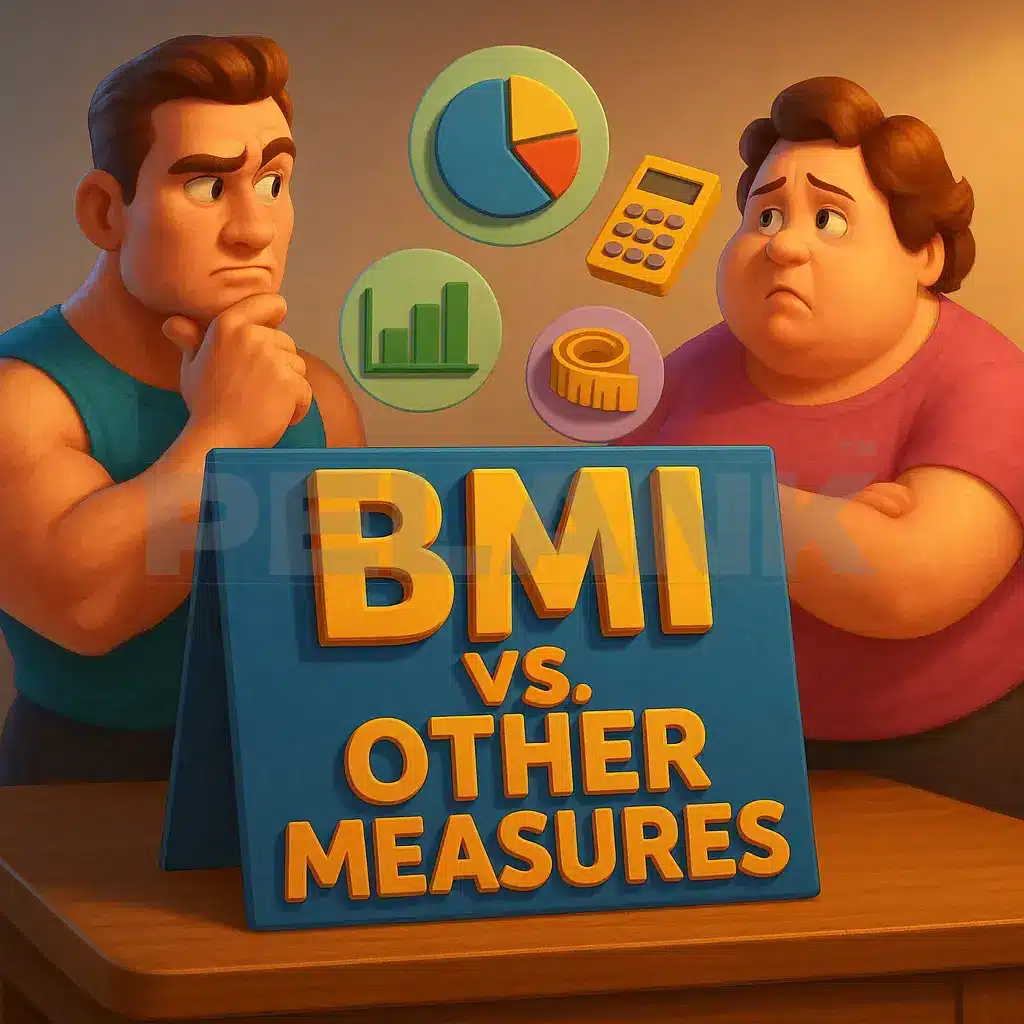
✅ Difference between BMI and Waist-to-Hip Ratio (WHR)
Waist-to-Hip Ratio – WHR
📏 WHR measures where fat is stored in the body, especially abdominal fat, which is the most dangerous type. This indicator predicts the risk of heart disease, diabetes, and metabolic problems more accurately than BMI.
🔍 Differences:
📉 BMI does not show fat distribution → it only reflects total weight
📍 WHR reveals whether fat is concentrated around the abdomen
⚠️ WHR is more accurate for detecting visceral fat
⭐ Use case:
🫀 It is much better than BMI for assessing the risk of heart disease and abdominal obesity.
✅ Difference between BMI and Waist-to-Height Ratio (WHtR)
Waist-to-Height Ratio – WHtR
📐 WHtR is the ratio of waist circumference to height and an excellent indicator for detecting health risks caused by abdominal fat.
🧨 Recent studies show that WHtR is more accurate than BMI.
🔍 Differences:
BMI → only weight relative to height
WHtR → abdominal fat relative to height
WHtR shows whether visceral fat is excessive or not
⭐ Golden rule of WHtR:
🔸 If your waist circumference is less than half your height → you are in the healthy range.
✅ Difference between BMI and Body Fat Percentage
Body Fat Percentage
🧬 Body Fat% is the most accurate indicator for measuring actual body fat.
📊 It shows how much of your total weight comes from fat versus muscle, water, and bone.
🔍 Differences:
BMI → weight × height
Body Fat% → actual amount of body fat
BMI treats muscle and fat the same
Body Fat% shows how much fat you have and whether it is in the healthy range
⭐ Use case:
💪 For athletes, bodybuilders, and anyone aiming to build an ideal physique, Body Fat% is the primary measurement.
✅ Difference between BMI and BMR/TDEE
🔥 BMR (Basal Metabolic Rate) shows how many calories your body burns at rest.
🏃 TDEE (Total Daily Energy Expenditure) shows how many calories you need based on daily activity.
🔍 Differences:
BMI → weight status only
BMR/TDEE → calorie burn and energy needs
BMI has no direct connection to calorie requirements
TDEE is essential for planning nutrition programs
⭐ Use case:
🍽️ BMI is for “weight status”;
TDEE is for “nutrition and cutting/bulking plans.”
✅ Difference between BMI and DXA/BIA
The most accurate body-composition tools
🟣 DXA Scan (the most accurate method)
🔬 DXA precisely measures body fat, muscle mass, and bone density.
📡 It is currently the most accurate body-analysis tool available.
🟢 BIA Scale (home body-analysis scales)
⚡ BIA uses a very weak electrical current to estimate body fat and body water.
📊 Its accuracy is moderate, but it is excellent for periodic tracking.
🔍 Differences:
BMI → only weight/height ratio
DXA → the most accurate tool for fat / muscle / bone
BIA → a good everyday estimate
✅ When BMI is useful and when it isn’t ?
✅ BMI is useful when:
🟩 A quick, initial assessment is needed
🟩 No advanced equipment is available
🟩 We want to evaluate general disease risk
🟩 The person is not a professional athlete
🟩 The goal is monitoring weight trends over time
❌ BMI is not useful when:
🔴 The person is muscular or a professional athlete
🔴 The individual is pregnant
🔴 Older adults with muscle loss (sarcopenia)
🔴 Ethnic groups for whom BMI is less accurate (e.g., Asians)
🔴 Abdominal obesity is more important than total weight
🔴 We need to assess actual fat, muscle mass, or visceral fat
📝 Summary of this section
📌 BMI is a quick and useful indicator, but it has limitations.
📌 To get a true picture of health, indicators such as WHR, WHtR, Body Fat%, and DXA should also be evaluated.
📌 BMI is useful for many people, but it lacks accuracy for athletes, older adults, and individuals with unique body compositions.
📌 The best approach is using BMI + Body Fat% + WHR together.
How well does BMI predict major diseases?
Heart disease, diabetes, high blood pressure, fatty liver, metabolic syndrome
📊 BMI is one of the primary tools for predicting the risk of metabolic and cardiovascular diseases because it is directly linked to body fat—especially visceral fat.
🧠 Although BMI does not show the full picture, extensive research from WHO, CDC, NHS, and top journals such as The Lancet and JAMA has confirmed that a high BMI (especially above 30) significantly increases the likelihood of developing chronic diseases.
✨ Below, we examine how BMI relates to various health conditions.
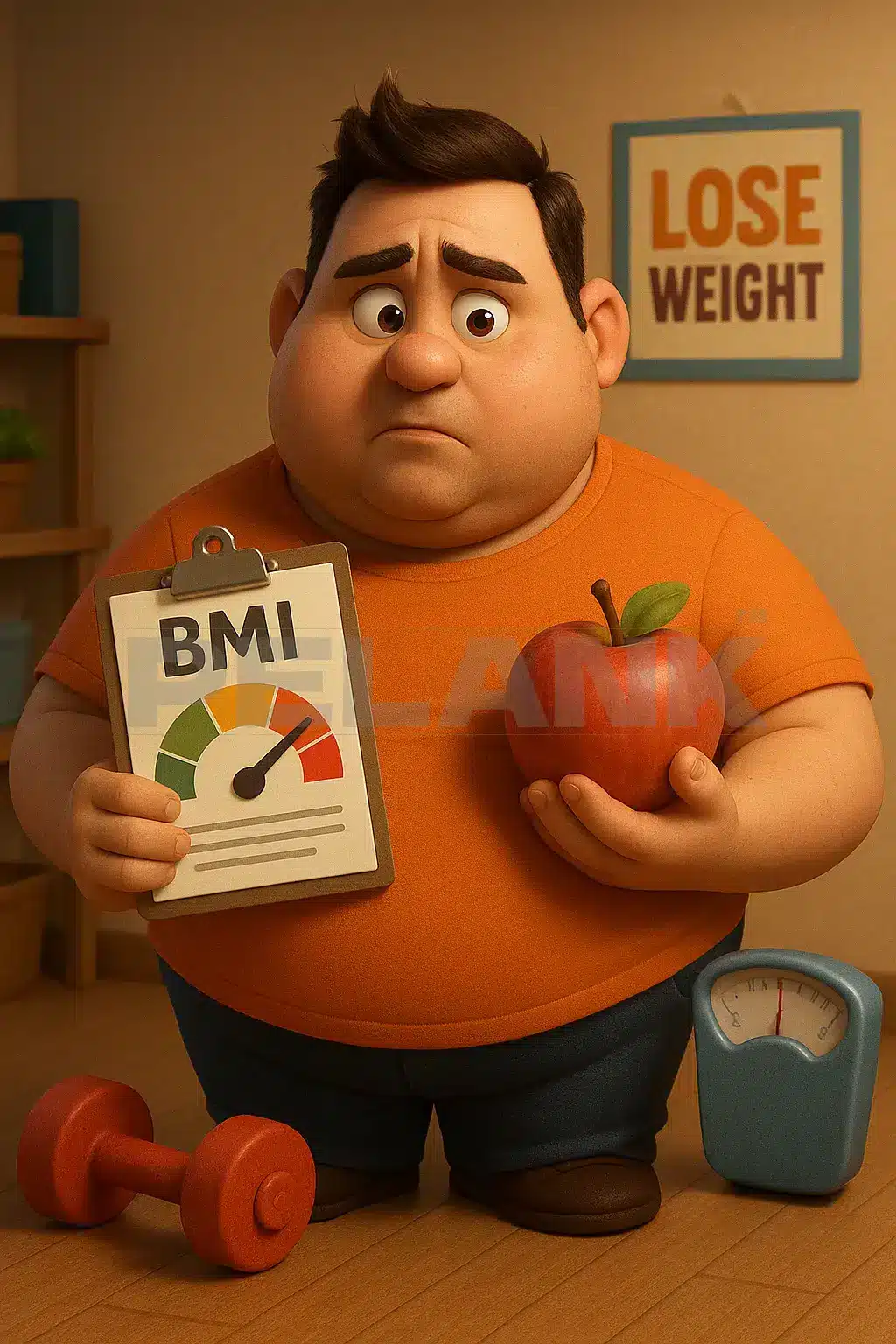
❤️ The relationship between BMI and heart disease
Cardiovascular Disease
🫀 A high BMI is one of the most important modifiable risk factors for heart disease.
📈 Excess visceral fat leads to chronic inflammation, arterial narrowing, increased triglycerides, and reduced HDL.
⚠️ According to meta-analyses published in The Lancet, every 5-unit increase in BMI raises heart-disease risk by about 30–40%.
📌 How does high BMI increase risk?
Abdominal fat → insulin resistance
Chronic inflammation → arterial wall damage
Lower HDL → higher LDL
High blood pressure → cardiac strain
⭐ Conclusion:
🔥 BMI is one of the strongest early indicators for predicting heart problems.
🩸 The relationship between BMI and blood pressure
Hypertension
🧬 Individuals with a higher BMI are 2 to 3 times more likely to have high blood pressure.
📏 BMI is strongly linked to abdominal fat, which affects the sympathetic nervous system and sodium retention.
📌 Why does BMI increase blood pressure?
🚨 Increased blood volume
💧 Greater water and sodium retention
🧠 Activation of the sympathetic nervous system
⚡ Increased vascular resistance
⭐ Conclusion:
📈 A high BMI is a strong predictor of hypertension, even in young adults.
🍬 The relationship between BMI and type 2 diabetes
🧠 A BMI above 27 is directly associated with insulin resistance.
🧪 CDC research shows that 80% of people with type 2 diabetes are overweight or obese.
📌 How does high BMI lead to diabetes?
Visceral fat → hormonal disruption
Inflammatory substances → reduced insulin sensitivity
High blood sugar → gradual pancreatic damage
⭐ Conclusion:
⚠️ BMI is one of the best early indicators for identifying the risk of type 2 diabetes.
🧴 The relationship between BMI and non-alcoholic fatty liver disease
NAFLD
🍏 A BMI above 25 has a very strong relationship with fatty liver.
🧬 Visceral fat and insulin resistance are the two main drivers of NAFLD.
📌 Why does a high BMI lead to fatty liver?
Fat accumulation around organs
Disrupted fat metabolism
Chronic inflammation
Elevated triglycerides
⭐ Conclusion:
🟠 BMI is one of the most accurate non-imaging indicators for predicting fatty liver.
🧩 The relationship between BMI and metabolic syndrome
Metabolic Syndrome
🧠 Metabolic syndrome occurs when several problems appear together: abdominal fat + high blood pressure + high blood lipids + high blood sugar.
📊 A high BMI is almost always associated with increased abdominal fat, which triggers this cluster.
📌 Indicators activated in metabolic syndrome:
Increased insulin
Increased LDL
Decreased HDL
Increased waist circumference
Increased blood pressure
⭐ Conclusion:
🔴 A BMI above 30 is one of the strongest warning signs for metabolic syndrome.
🧠 Scientific summary
📌 BMI is one of the most accurate early indicators for predicting heart disease, diabetes, high blood pressure, fatty liver, and metabolic syndrome.
📌 A high BMI (especially above 30) is almost always associated with increased visceral fat—the primary driver of all these conditions.
📌 BMI alone is not enough, but it is the best foundational tool for quickly assessing disease risk.
📌 For more precise evaluation, Body Fat%, waist circumference, WHR, blood tests, and family history should also be considered.
What to do if your BMI is high?
A fully practical, science-based, step-by-step guide
📊 A high BMI does not always mean “obesity,” but in most people it indicates increased body fat—especially abdominal fat—and requires a science-based approach. To reduce BMI in a healthy way, metabolism, nutrition, and lifestyle must all be improved.
✨ Below is the most complete and practical guide for lowering BMI.

⚖️ Proper weight loss
Based on metabolic science
📉 Rapid and extreme weight loss leads to muscle loss, low energy, and weight regain.
🔥 Optimal weight-loss rate: 0.5 to 1 kg per week
📏 Losing 10% of body weight over a few months can bring BMI back into the healthy range.
📌 Principles of healthy weight loss:
🍽️ Calories in < calories out (TDEE)
🥗 Increase vegetables, protein, and fiber
❌ Reduce sugar, sweetened drinks, white bread, and fried foods
💧 Drink 2–3 liters of water daily
🕒 Maintain regular meal timing
🔥 Combine strength training with aerobic exercise
🏋️♂️ Appropriate exercise for each BMI category
📍 Exercise type should be chosen according to BMI and joint capacity to burn fat safely and prevent injury.
🔹 BMI under 30 (overweight)
🏃 Moderate aerobic exercise (brisk walking, cycling, elliptical)
🏋️ Strength training 3 times per week
🔥 Light HIIT to boost metabolism
🔹 BMI above 30 (Class 1 obesity)
🚶 Low-impact aerobic exercise 30–45 minutes daily
🦵 Resistance training to prevent muscle loss
🧘 Low-impact activities: swimming, stationary cycling, rowing machine
🔹 BMI above 35 (Class 2 and 3 obesity)
⚠️ Joint and heart care is essential
🚶♂️ Walking + water therapy (swimming/hydrotherapy)
🏋️ Resistance training with light weights
🩺 Consult a physician for a tailored program
🍽️ Recommended nutrition for lowering BMI
🥗 Extreme diets like dry fasting, watermelon diet, military diet, etc., are prohibited!
🧬 The body needs nutrients, and food deprivation leads to muscle loss.
📌 Best dietary pattern:
🍗 Adequate protein (1.6–2.2 g per kg of body weight)
🥦 High fiber (vegetables, salads, legumes)
🥑 Healthy fats (avocado, nuts, olive oil)
🍚 Complex carbohydrates (brown rice, oats, whole-grain bread)
🥤 Drastically reduce soda, sweets, and fast food
⚖️ Balance—not complete elimination—is key
😴 Stress and sleep management
The hidden factor behind high BMI
🧠 Stress increases cortisol and abdominal fat.
🌙 Inadequate sleep is directly linked to higher BMI.
📌 Improvement checklist:
🛌 7–9 hours of sleep per night
📵 No mobile phone use 1 hour before bedtime
🧘 Deep breathing, meditation, or yoga for 10 minutes daily
☕ Reduce caffeine in the evenings
✨ Better sleep = reduced appetite + lower fat
🎯 Realistic goals
Crucial for long-term success
🎯 Goals should be realistic, measurable, and time-bound.
📉 Losing just 5–10% of body weight greatly improves overall health.
🧩 Focusing on lifestyle changes is better than following rushed diets.
📌 How to set goals:
🟩 Short-term goal: 2–3 kg per month
🟦 Medium-term goal: 10% of body weight over 3–6 months
🟧 Long-term goal: reach a healthy BMI + maintain weight
✨ Maintaining weight is more important than losing weight.
📝 Summary
📌 A high BMI is not dangerous by itself, but it is a warning sign.
📌 Proper weight loss, appropriate exercise, healthy nutrition, and sufficient sleep are the most important tools.
📌 There is no quick-fix or miracle diet—success comes from behavior and lifestyle changes.
📌 Goal: reduce fat, preserve muscle, lower BMI, and improve energy and performance.
What to do if your BMI is low?
Healthy weight gain, strength training, bulking nutrition, supplements, risks of low BMI
📉 A low BMI does not always indicate good health; in many cases, it signals underweight, malnutrition, muscle weakness, or hormonal issues. To increase BMI, weight should be gained healthily—not through unhealthy foods or abdominal fat.
✨ Below, I explain the best and healthiest step-by-step methods for gaining weight.

🍽️ Healthy weight-gain plan
Structured and sustainable
📈 To gain weight, calorie intake must exceed daily needs (TDEE).
🔢 Scientific target: 300–500 calories above daily requirements
🍽️ Weight gain should be gradual—about 0.25 to 0.75 kg per week.
📌 Principles of healthy weight gain:
🍗 Increase protein (1.6–2 g per kg of body weight)
🍚 Increase complex carbohydrates (rice, pasta, potatoes)
🥑 Healthy fats (avocado, nuts, peanut butter, olive oil)
🥛 Add 4–5 small meals throughout the day
💧 Drink enough water to aid digestion and muscle growth
📌 Goal: increase muscle + some healthy fat → optimal BMI growth
🏋️ Strength training
The most important factor for healthy weight gain
💪 Without strength training, any weight gained will be mostly fat.
📈 Resistance exercises increase muscle mass and contribute to healthy BMI growth.
📌 Most suitable exercises:
🏋️ Squat
🏋️ Deadlift
🏋️ Bench Press
🏋️ Lat pulldown / Pull-up
🏋️ Shoulder Press
🌟 Key points:
🕒 3 sessions per week are sufficient
📈 Gradually increasing weights = faster healthy BMI gain
🍔 Bulking nutrition
🥗 Goal of weight-gain nutrition: increase calories without harming digestion or adding unhealthy fat.
📌 Healthy bulking foods:
🥑 Avocado
🥜 Nuts and dried fruits
🥛 Full-fat milk or added milk powder
🍌 Bananas and high-calorie smoothies
🍚 Rice, pasta, potatoes
🍗 Eggs, chicken breast, meat
🍞 Whole-grain bread + peanut butter
🥣 Oats with honey
⭐ Best high-calorie snacks:
🍫 Dark chocolate
🥤 Homemade gainers (milk + banana + oats + peanut butter)
🍯 Greek yogurt + nuts
📌 Golden tip: high-calorie drinks (like smoothies) are excellent for people with low appetite.
💊 Useful supplements for weight gain
⚠️ Supplements are only supportive tools and do not replace food.
📌 Best supplements for weight gain:
🥤 Mass Gainer
💪 Creatine Monohydrate
🥛 Whey Protein
🍯 Multivitamins (for potential deficiencies)
🔥 Omega-3 (supports appetite and cellular health)
⭐ Supplement benefits:
📈 Mass Gainer → increases calories and weight
💪 Creatine → boosts strength and muscle mass
🥛 Whey → aids recovery and faster muscle growth
⚠️ Risks of low BMI
Key reasons for prompt intervention
❗ A BMI below 18.5 may indicate a disorder or risk.
📌 Major risks of low BMI:
🩸 Anemia and weakened immune system
🦴 Osteoporosis (reduced bone density)
🍃 Severe energy loss and chronic fatigue
🫀 Cardiac problems in cases of severe malnutrition
🍽️ Reduced appetite and digestive disorders
🌀 Hormonal imbalances (menstrual irregularities in women)
🏋️ Significant muscle mass loss (Sarcopenia)
📌 In children and adolescents: low BMI can disrupt growth.
📝 Summary
📌 Low BMI requires intervention—not neglect.
📌 Healthy weight gain = increased muscle + sufficient calories + strength training.
📌 High-calorie healthy foods, resistance training, adequate sleep, and supplements are the best tools.
📌 The goal should not be merely raising BMI, but improving body quality and overall health.
BMI and bodybuilding
Why do bodybuilders have a high BMI?
💪 Professional bodybuilders often have a high BMI, but this number never indicates obesity in them; on the contrary, their body fat percentage is very low, and muscle mass is extremely high.
📊 The reason is that BMI does not distinguish between fat and muscle—both are counted as weight.
✨ Therefore, in professional sports, BMI is not considered a reliable or accurate indicator.

💥 Why do bodybuilders have a high BMI but are not fat?
🏋️ BMI only divides weight by height and does not indicate where that weight comes from—muscle? fat? water? bone?
🔥 Bodybuilders have much denser muscle than average people; 1 kg of muscle takes up less volume but weighs more than fat.
📐 So, when someone like Ronnie Coleman or even an amateur bodybuilder has a lot of muscle, their weight increases → BMI rises → but body fat remains very low.
📌 Scientific reason:
🧬 Muscle has higher density → more weight
🧱 Fat has lower density → less weight
⏳ BMI cannot detect this difference
🏆 Real-life examples of bodybuilders with high BMI
💪 1. Ronnie Coleman (8-time Mr. Olympia champion)
📏 Height: 180 cm
⚖️ Competition weight: 135 kg
📊 BMI = 41.6 (Class 3 obesity!)
🔥 Actual body fat: 3–5%
➡️ BMI says severe obesity → body says lean and muscular!
💪 2. Chris Bumstead (Classic Physique Olympia champion)
📏 Height: 185 cm
⚖️ Competition weight: 104 kg
📊 BMI ≈ 30.4 (obese!)
🔥 Actual body fat: 5%
➡️ BMI has no relation to a bodybuilder’s fatness.
📐 Which indicator is more accurate for bodybuilders?
Body Fat% is the best measure
🧪 In professional sports, body-fat percentage (Body Fat%) is the most important body-composition indicator.
📉 Body Fat% precisely shows how much of body weight is fat and how much is muscle.
⭐ Why Body Fat% is better than BMI:
✔️ Distinguishes between fat and muscle
✔️ Suitable for bodybuilders and athletes
✔️ More accurate predictor of metabolic health
✔️ Better assessment for bulking and cutting phases
📌 Typical fitness ranges:
🔥 Male bodybuilders: 4–12%
🔥 Female bodybuilders: 8–18%
🟩 Recreational fitness: 12–20% (men) / 18–28% (women)
✅ Real-life case study
Mehdi, 29 years old, intermediate-level bodybuilder
🧍 Initial profile:
📏 Height: 178 cm
⚖️ Weight: 92 kg
📊 BMI = 29.0 (overweight, approaching obesity!)
🔥 Actual Body Fat%: 12%
💪 High muscle mass: 44% of total weight
🧪 Detailed assessment:
🔍 BMI says: “severely overweight”
🔍 Body-fat analysis says: “muscular, completely healthy, low fat”
🧠 What’s the issue?
📉 BMI sees high weight → but cannot tell that it’s muscle, not fat.
📦 Mehdi has 11 years of training → high muscle mass → BMI is misleading.
📌 Pelank analysis:
🏋️ Mehdi has about 10 kg more muscle than an average person
🔥 Waist-to-height ratio (WHtR): healthy range at 0.47
📈 Excellent athletic performance (Bench: 110 kg)
🟢 Final conclusion:
✔️ BMI is completely misleading
✔️ Body Fat% is the best indicator
✔️ WHR and WHtR are also in ideal ranges
🧩 Program recommendations:
🍽️ Maintain high-protein diet (2 g/kg)
🏋️ Continue compound training + strength progression
😴 7–9 hours of sleep
🔥 Controlled muscle gain without increasing fat
➡️ Mehdi has a high BMI but is 100% healthy, fit, and lean.
📝 Final summary of this section
📌 BMI is not a good indicator for bodybuilders.
📌 Muscular individuals have a high BMI, but their body fat is very low.
📌 Body Fat%, WHR, WHtR, and muscle analysis are the most accurate measures.
📌 Bodybuilding demonstrates that BMI is not always a health indicator—body composition matters more.
Frequently Asked Questions
FAQ
🧠 No; BMI is only a general estimate of weight relative to height and is not accurate for everyone.
📏 It cannot distinguish between fat, muscle, water, or bone.
💪 For muscular athletes, BMI can mistakenly show a high number while body fat is very low.
👵 In older adults, due to muscle loss and increased fat, BMI may not reflect the true status.
✨ BMI is useful for the general population, but for specific individuals, more precise indicators like Body Fat% should be used.
📊 A high BMI does not necessarily indicate disease, but it is considered a “warning sign.”
🧬 You might be a bodybuilder or muscular individual whose high weight comes from muscle, not fat.
🫀 However, if your waist circumference is high and you lead a sedentary lifestyle, the risk of high blood pressure, diabetes, and fatty liver increases.
📍 The best approach is to also check waist circumference, Body Fat%, and blood tests.
👶 The BMI formula for children is the same as for adults, but interpretation is completely different.
📈 For children, “percentile charts” are used because their growth is continuous and depends on age and sex.
🧒 A child’s BMI should be compared to peers of the same age and sex.
✨ There is no fixed BMI for children, and using adult charts is incorrect.
🎀 Women generally have a higher natural body-fat percentage, so BMI ranges are interpreted slightly differently for them.
🧢 Men naturally have more muscle, and a lower BMI usually indicates better fitness.
📊 Nevertheless, the official WHO range is the same: 18.5 to 24.9
✨ Scientifically, healthy women often fall toward the higher end of the range, while men fall toward the lower end.
👀 In most cases, no!
📏 People’s bodies vary greatly in fat, muscle, and bone, and appearance does not always reflect BMI.
💪 Athletes may look very muscular but have a high BMI.
🍃 Thin individuals may have a low BMI but hidden abdominal fat (TOFI).
✨ Calculating BMI is the best way to get an accurate number.
🔍 No; BMI only measures weight relative to height and does not indicate weight quality.
💪 Bodybuilders, military personnel, laborers, and strength athletes often have a high BMI but low body fat.
🍩 High BMI becomes risky when accompanied by a large waist circumference and excess visceral fat.
🔥 Proper and scientific weight loss preserves muscle.
📌 Key points:
🏋️ Strength training 3–4 sessions per week
🍗 Adequate protein (1.6–2.2 g per kg of body weight)
💤 Sufficient sleep: 7–9 hours
🍽️ Moderate calorie reduction (not extreme)
⚡ Moderate aerobic exercise 3–4 sessions per week
✨ Goal: burn fat without losing muscle
⚠️ Yes, a BMI below 18.5 can indicate underweight, malnutrition, or hormonal issues.
🩸 Anemia and weakened immunity
🦴 Osteoporosis
🌀 Hormonal imbalances and menstrual irregularities in women
💪 Loss of muscle mass
✨ Low BMI is especially serious in children, adolescents, and older adults.
📈 BMI is one of the primary indicators for predicting diabetes, heart disease, high blood pressure, fatty liver, and metabolic syndrome.
🧠 Abdominal fat, insulin, triglycerides, and chronic inflammation are usually associated with high BMI.
💉 If BMI is high → it is advisable to get blood tests.
📊 BMI is great for quick screening, but it is not accurate for individuals with high muscle mass.
🧬 Body Fat% is the true precise measure of body fat and the standard in bodybuilding and fitness.
💪 Athletes should use Body Fat% as the reference, not BMI.
✨ Ideally: BMI + Body Fat% + waist circumference → the best combination for health assessment.